
Written by Ofer Winkler, co-founder of Land-Con | Landscape Ontario and BILD member, ICPI certified | Last updated:
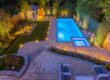
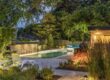
Backyard landscaping is trending in the whole of Toronto, with homeowners becoming specific about the way their property looks and feels. This is why it is essential to choose a suitable landscape design. Although they can be pretty expensive to invest in one go, they are equally worthwhile for increasing the property value and adding a fun element to the family’s recreational activities.
Moreover, backyard renovation in Toronto is a common search nowadays because most dwellers have yards with abundant space for renovation. If you too are planning for backyard landscaping to welcome 2026 and are worried about the cost of it all, here are a few key elements that you need to keep in mind.
Quick Answer: How Much Does Backyard Landscaping Cost in Toronto? For homeowners, backyard landscaping costs can vary widely based on the size of the yard, grading needs, drainage work, material choices, and whether the project includes patios, fences, pools, or other structures. As a starting point, basic updates run roughly $1,500 to $4,000, moderate projects $5,000 to $15,000, and high-end projects $20,000 to over $50,000. A large portion of the cost often comes from groundwork, site preparation, and labour rather than the finished design features homeowners see at the end. Toronto also has local permit and bylaw considerations for certain structures, so planning early helps avoid delays and extra costs.
A quick note on scope: The ranges below cover everything from small single-feature updates (new sod, a few shrubs) to full backyard transformations. If you’re planning a complete, professionally designed and built outdoor living space — grading, drainage, hardscaping, planting, lighting, and structures done as one coordinated project — that kind of full design-build work in the GTA typically starts around $80,000. That’s the scope Land-Con specializes in. If your project is a smaller, single-feature update, the “Basic” and “Moderate” tiers below still apply, and a lighter-scope contractor may be the better fit.
For a quick budgeting starting point, homeowners usually think in tiers: simple refreshes, mid-range upgrades, and larger custom builds. That makes it easier to compare quotes and decide which features to phase now and which to add later.
Backyard Landscaping Cost in Toronto at a Glance
If you are asking how much landscaping costs in Toronto, the table below shows the typical range for each project level. The cost of landscaping a backyard depends mostly on scope, so start with the row that matches your plan.
| Project Level | Typical Toronto Range | What It Usually Covers |
|---|---|---|
| Basic landscaping | $1,500 to $4,000 | New sod or grass, a few shrubs, mulch |
| Moderate landscaping | $5,000 to $15,000 | A mid-sized paver patio, garden beds, decorative elements |
| High-end landscaping | $20,000 to over $50,000 | Outdoor kitchens, water features, extensive hardscaping, lighting, irrigation |
| Full design-build transformation | Typically from about $80,000 in the GTA | Grading, drainage, hardscaping, planting, lighting and structures designed and built as one project |
Prices on this page were reviewed in November 2026 and are in Canadian dollars. Quotes should state whether the 13% Ontario HST is included.

Factors Affecting Backyard Landscaping Costs in Toronto
1. Size of the Area
One of the most significant factors influencing backyard landscaping costs is the size of the area being renovated. Generally, the prices are calculated based on the square footage of the space. Larger areas require more materials and labour, leading to higher costs. For instance, a 1,000-square-foot backyard will typically cost more to renovate than a 500-square-foot area, mainly due to the increased amount of materials and time required for installation.
2. Type of Landscaping
Landscaping projects can be broadly categorized into hardscaping and softscaping.
- Hardscaping refers to non-plant elements like patios, walkways, and retaining walls. These features often involve significant labour and material costs. For example, patio renovation costs in Toronto can vary widely, with basic poured concrete patios costing less per square foot than pavers or stone, while high-end stone patios can run much higher.
- Softscaping includes plants, soil, and mulch. While typically less expensive than hardscaping, the cost can still vary based on plant selection and quantity. For instance, a garden full of exotic plants will generally cost more than one with common local species.
3. Materials Used
The choice of materials greatly impacts the overall cost of backyard landscaping. Common materials and their costs include:
- Wood: Often used for decks and fences, wood is relatively affordable, but the price can increase with higher-quality or exotic woods.
- Stone: Used for patios, walls, and paths, stone is durable but can be costly. Natural stone options, like granite or slate, tend to be more expensive compared to manufactured alternatives.
- Plants: The cost of plants can vary significantly based on type and size. Large, mature trees and shrubs are more expensive than smaller, younger plants.
4. Design Complexity
The complexity of the design also affects landscaping costs. Simple designs, such as a basic lawn with a few flower beds, are generally more affordable. However, elaborate designs involving multiple elements like water features, intricate pathways, and custom-built structures can substantially increase costs. Landscape design costs in Toronto, for example, can range from a few hundred to several thousand dollars depending on the intricacy of the design. Our landscape designers and architects can explain what is included in a design package.
5. Location
Finally, the location of the project is vital in determining landscaping prices. Regional variations can have a significant impact. For instance, landscaping costs in Toronto might be higher compared to smaller towns due to the higher cost of living and labour rates in urban areas. Additionally, local regulations and zoning laws can influence overall costs, particularly if permits are required.
6. Access and Site Conditions
Many Toronto lots have narrow side yards. When excavators and material trucks cannot reach the backyard, crews move soil, stone and equipment by hand or with small machines, and that adds labour hours. Heavy clay soil, mature trees and slopes add further preparation work before any visible feature goes in.
Toronto Landscaping Costs by Feature
Price guides give a useful reference point for individual items. HomeStars’ Toronto landscaping price guide lists these figures, which Land-Con has not independently audited, so treat them as a starting point and ask for written quotes.
| Item | Reported Toronto Range | Notes |
|---|---|---|
| Yard regrading | $1,500 to $5,000 | Depends on lot size, access and how much soil must move |
| Drainage installation | $2,000 to $8,000 | French drains, weeping tile or catch basins; depends on length and depth |
| Interlocking pavers (materials only) | $5 to $7+ per sq ft | Excludes excavation, base and labour |
| Walls and stone features | $25 to $50+ per sq ft | General range; varies with height and stone type |
| Removing old landscaping | $200 to $1,000 | Depends on volume and disposal |
| Topsoil or triple mix | $40 to $50 per cubic metre | Delivery extra |
| Mulch | $50 to $70 per cubic metre | Delivery extra |
HomeStars’ Toronto fencing guide also lists installed fence costs per linear foot: pressure-treated wood about $40 to $70, vinyl about $55 to $95, aluminum or wrought iron about $60 to $150, and chain link about $35 to $65.
Installed Cost Per Square Foot
HomeStars lists materials separately. Toronto contractor price guides published in 2026 commonly show these installed ranges, which include excavation, base, materials and labour. Ranges differ between contractors, so use them to sense-check quotes rather than to predict one.
| Item | Commonly Published Installed Range | What Moves the Price |
|---|---|---|
| Interlocking patio | About $15 to $35 per sq ft | Base depth, pattern, access, paver quality |
| Paver walkway | About $15 to $25 per sq ft | Length, curves, borders, edge restraints |
| Natural stone patio | About $25 to $80 per sq ft | Stone type, cutting, thickness |
| Sod | About $1.10 to $4.50 per sq ft | Soil preparation, grade, delivery, area |
How the Numbers Add Up: A Worked Example
Here is simple arithmetic for a mid-range yard using the ranges above. It is an illustration, not a quote.
- 250 sq ft interlocking patio at $15 to $35 per sq ft: $3,750 to $8,750
- Yard regrading: $1,500 to $5,000
- 1,000 sq ft of sod at $1.10 to $4.50 per sq ft: $1,100 to $4,500
- Total: about $6,350 to $18,250 before lighting, planting, a pergola, permits and HST
The low end sits in the moderate tier and the high end approaches high-end territory once lighting and structures are added. The spread is wide because access, soil and material choice move each line. This is why two yards of the same size can price very differently.
Why Toronto Projects Often Need More Planning
In Toronto, backyard landscape planning should always account for drainage, grading, and municipal requirements before materials are chosen. The city’s property standards specifically address landscaping, drainage, and grading, which is a useful reminder that a backyard renovation is not only about appearance. If your design includes a deck or pool-related enclosure, permit rules may also apply depending on the structure and height.
This is one reason local homeowners often get more accurate results from Toronto-based designers and installers. A good plan reduces rework and helps the finished backyard perform well through seasonal weather changes. Toronto’s climate reporting also highlights ongoing freeze-thaw and seasonal variability, which is important for outdoor hardscape and drainage decisions.
Permits and Bylaws That Can Affect Cost
Rules change, so confirm with the City of Toronto before you build. According to the City’s building permit guidance, these thresholds apply to many backyard projects:
- Decks: a permit is required for a deck more than 60 centimetres (24 inches) above the ground.
- Sheds: a permit is required for a shed of 15 square metres (161 square feet) or more.
- Other accessory structures: cabanas, pool houses, carports and similar structures larger than 10 square metres (107 square feet) need a permit, as does any structure attached to an existing building or with plumbing, regardless of size.
- Retaining walls: a permit is required for walls more than one metre (about 3 feet 3 inches) high where they sit on or next to public property, building entrances or publicly accessible private property.
- Trees: under the City’s tree protection by-law, a private tree with a trunk diameter of 30 centimetres or more is protected, and a permit is needed to injure or remove it.
- Ravines and natural features: separate by-law rules apply near ravines, including permits for harming any tree regardless of size, changing the grade by excavating or adding soil, placing fill, and building new structures or retaining walls.
Zoning by-law rules apply even when no building permit is needed. Ask your contractor who is responsible for permits, and whether they are included in the quote, so there are no surprises.
Things to Know About Backyard Landscaping Costs in 2026
Pools and Spas
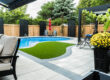
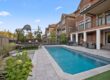
Pools and spas are a primary addition to the backyard landscaping design. While they serve the purpose of a relaxing zone for adults on a hot summer day, it is a fun area for kids who love playing with water. You must have at least a brief idea of what you are aiming for when you approach your backyard designers.
If you are planning for a basic swimming pool for your space or wish to add personalized features to your pool, the price might vary according to:
- Individual preferences
- Raw materials needed
- Size of the yard
- Labour required
- Pool landscape design
- Additional features such as pool heaters, waterslides, waterfalls, and more
It is wise to consider all the factors so you can determine an appropriate budget for your backyard landscaping project in 2026. Our swimming pool design and build page covers pool projects in more detail, and our guide to pool deck drainage explains the drainage side.

What Often Drives Backyard Budget the Most
The most expensive part of a backyard renovation is often not the feature people see first. It is usually the work behind the scenes: excavation, grading, drainage, access limitations, and labour. That is why two backyards with similar-looking designs can end up with very different total costs. Toronto cost guides also show that regrading and drainage work can be meaningful budget items on their own.
If you are comparing ideas, it helps to separate the project into two categories: visible upgrades and hidden infrastructure. Visible upgrades include patios, seating, pergolas, fencing, and planting. Behind-the-scenes work may involve improving drainage, relocating or levelling soil, and preparing the site properly before installation begins.
Personalized Patio
You can choose to add a nice, feel-good patio cover to your garden space. Commonly known as a pergola, homeowners opt for this arrangement to relax or work in the open air while warding off the sun with the shade (see our cabana and pergola design service). Depending on the size and the selected materials for the installation, your pergola might cost differently from other basic pergolas.
Outdoor Seating Arrangements
This idea is perfect for property owners looking for a small backyard design in Toronto. It can accommodate a comfortable seating arrangement that takes minimal space in the yard. For a lounge set-up or building a seating space with flagstones or bricks, the installation charge might vary depending on your garden area and preferences. You can choose anything from posh and classy landscape design to a simple setup or anything in between depending on how much you can spend on the addition.
That is why the choice of backyard design company matters, so discuss your needs with them early to strike a good deal.
Fencing
Fencing your secret paradise is very important for your safety and comfort. While penning down your backyard landscaping ideas, make sure you take care of certain parameters such as the quality and price of the wood for fencing.
The cost of a wood fence in Toronto depends on your area, the price of raw materials, and your per linear foot. If you do not want to hinder your view and wish to opt for iron bars instead, the charges may vary accordingly.
Landscaping Designs
If you are looking to renovate your old-styled backyard or wish to have an aesthetic corner on your property with a line of carefully chosen shrubs and trees, you can select a design accordingly. Outdoor kitchens, bars and fire features add cost quickly, so it helps to look at outdoor kitchen and bar design options early. Also, consider that you might need an irrigation system to maintain the area in excellent condition throughout the year. You can discuss the cost of installation of the irrigation system with the landscaping company you choose to work with.
It helps to keep in mind that an ideal backyard garden design focuses on all minute details and ensures all your needs are covered.
Sample Backyard Budget Scenario for Toronto Homeowners
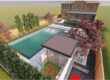
A practical way to plan a backyard makeover is to build a sample budget around your priorities. For example, a mid-range Toronto backyard could include regrading, an interlocking patio, basic planting, lighting, and a pergola. HomeStars’ Toronto pricing guide shows that regrading and drainage can be major line items, while HomeGuide and HomeStars also note that landscaping labour and installation costs vary significantly by scope.
| Feature | Budget Planning Note |
| Regrading/drainage | Often one of the biggest hidden costs |
| Patio/hardscaping | Cost rises with material quality and layout complexity |
| Planting / softscaping | Depends on plant size, quantity, and maturity |
| Lighting | Usually easier to phase than major hardscaping |
| Pergola/seating area | Can be added as a mid-project upgrade |
A breakdown like this helps you compare quotes and choose where to spend first. It also helps homeowners avoid underbudgeting for site prep, which is one of the most common reasons backyard landscaping projects go over plan.
Backyard Renovation Cost: Patio, Garden and Courtyard Projects
Homeowners often search for patio, garden or courtyard renovation costs separately, but the same cost drivers apply. A patio is mostly a base-preparation and material cost: the excavation, compacted stone base and drainage underneath matter as much as the pavers on top. A garden renovation is mostly soil, plant size and quantity, so bulk soil and mulch pricing and the age of the plants you choose set the budget. A courtyard or small yard costs less in materials but often more per square foot, because access is tight and crews work by hand. A garden renovation cost is driven by soil, plant size and quantity far more than by labour alone. Whichever space you are renovating, price the base, drainage and access first and the finishes second.
Interlocking vs. Poured Concrete vs. Natural Stone
The surface you choose changes both the upfront price and the long-term cost of repairs.
| Factor | Interlocking Pavers | Poured Concrete | Natural Stone |
|---|---|---|---|
| Upfront cost | Mid-range | Usually lowest | Usually highest |
| Freeze-thaw performance | Flexes with movement when the base is built correctly | Prone to cracking as the ground moves | Durable with a proper base |
| Repairs | Individual pavers can be lifted and reset | Patches rarely match the original | Individual stones can be reset |
Our residential interlocking page explains how base preparation affects how long a paver patio lasts.
Estimating Your Backyard Landscaping Cost
When budgeting for backyard renovations, it’s essential to consider all the mentioned factors to get a realistic estimate. To get a more precise idea of costs, you can request quotes from local landscaping professionals who can provide a detailed breakdown based on your specific needs and preferences. Keep in mind that while some aspects of landscaping are within your control, such as design choices and materials, others, like regional price variations, are not.
When planning a backyard makeover in 2026, understanding the typical cost ranges for different levels of landscaping can help you budget effectively. Costs for backyard renovations can vary widely depending on the scope of the project and the features you choose.
How to Compare Landscaping Quotes
Two quotes for the same yard can differ widely because they do not cover the same work. Before you compare prices, check that each quote:
- Lists excavation, base preparation, grading and drainage as separate line items.
- Names the materials, such as paver brand and thickness, plant sizes and fence type.
- States who is responsible for permits, utility locates and engineering.
- Shows the payment schedule and what the warranty covers.
- Explains what happens if hidden conditions, such as poor soil or buried debris, are found.
Typical Cost Ranges for Backyard Landscaping
1. Basic Landscaping
For those looking to make minimal changes, basic landscaping is often the most cost-effective option. This might include simple updates such as planting new grass, adding a few shrubs, or installing basic mulch. In Toronto, the cost for these minimal changes may range from $1,500 to $4,000. This price includes labour and materials but can vary based on the size of the area and specific plant choices. Basic landscaping is ideal for homeowners who want a fresh look without a significant financial commitment.
2. Moderate Landscaping
If you’re considering mid-range improvements, such as adding a new patio, installing a garden bed, or incorporating decorative elements, expect the costs to increase. Moderate landscaping projects in Toronto may typically range from $5,000 to $15,000. This range can cover patio renovation costs, moderate hardscaping elements, and a variety of plants and features. For example, a mid-sized patio made of high-quality pavers and a few garden beds would fall into this category. These projects often balance cost and impact, providing a significant upgrade to your backyard without reaching premium price levels.
3. High-End Landscaping
For a more luxurious transformation, high-end landscaping is the way to go. Premium features can include custom-built outdoor kitchens, elaborate water features, or extensive hardscaping. In Toronto, high-end landscaping costs typically start around $20,000 and can exceed $50,000, depending on the complexity and scale of the project. Features like natural stone patios, extensive lighting systems (see our outdoor landscape lighting service and our outdoor lighting installation guide), and sophisticated irrigation setups contribute to the higher cost. High-end landscaping provides a dramatic and personalized upgrade, ideal for those looking to invest significantly in their outdoor space.
Budgeting for Your Backyard Remodel
Understanding these typical cost ranges can help you plan your backyard remodel according to your budget and preferences. Whether opting for basic, moderate, or high-end landscaping, being aware of the potential costs will enable you to make informed decisions and achieve the best results for your investment. For accurate estimates, it’s always a good idea to consult with local landscaping professionals who can provide detailed quotes based on your specific project needs.
When budgeting, it’s important to consider not only the initial backyard remodel costs but also additional expenses that may arise. Understanding these extra costs can help you manage your budget more effectively and ensure your project stays on track.
Ways to Save Without Cutting Quality
- Build in phases. Finish grading, drainage and hardscaping first, then add planting, lighting and furniture over later seasons.
- Do not skimp on the base. A thin base is a common reason patios settle and crack after a few winters, and fixing it costs more than building it right.
- Choose materials for the climate. Pick stone and pavers that handle freeze-thaw cycles instead of chasing the lowest price.
- Plan it once. Designing the whole yard first, even if you build it over several years, avoids tearing out finished work later.
- Keep a contingency. Setting aside a portion of the budget for surprises keeps a small problem from stopping the project.
Additional Costs to Consider
1. Permits and Fees
Before starting a backyard renovation, you might need to obtain permits depending on the scope of your project. For instance, significant changes like building a new patio, installing a large structure, or making alterations that affect drainage may require approval from local authorities. In Toronto, permit fees are set by the City and vary with the project’s scale, so check the current fee schedule. It’s important to check with Toronto Building to confirm which permits you’ll need and what they cost. This step can prevent costly delays and ensure your landscaping complies with local regulations.
2. Maintenance Costs
Once your backyard is renovated, ongoing maintenance is essential to keep it looking its best. Maintenance costs can include expenses for lawn care, pruning, fertilization, and pest control. In Toronto, homeowners may expect to spend between $200 and $1,000 annually on maintenance, depending on the complexity of the landscaping and the size of the area. Regular upkeep helps preserve your investment and avoid potential issues that could lead to more significant expenses down the road.
3. Landscaping Professionals
Hiring a professional landscaper can significantly influence your total landscaping costs. Expert services often come with a higher price tag compared to DIY projects. In Toronto, the cost of hiring a landscaper may range from about $50 to $100 per hour, depending on their experience and the project’s complexity. This cost covers design, planning, and installation services. While DIY landscaping might seem like a cost-saving option, it can require substantial time and effort, and mistakes can lead to additional expenses. Professionals offer expertise that ensures the job is done correctly and efficiently, potentially saving you money in the long run by avoiding costly errors.
4. HST, Design Fees and Timing
Ontario’s 13% HST applies to most landscaping work, so confirm whether a quote includes it. Design is sometimes billed separately from construction, so ask whether the layout fee is credited if you build with the same company. Most outdoor construction in the GTA happens in the warmer months, so homeowners who want a spring start usually plan, design and request quotes over the winter.
Mistakes That Can Increase Backyard Landscaping Costs
- Starting the Design Phase Before Assessing Drainage and Grading Issues: Poor drainage and uneven grading can lead to water pooling, patio shifting, soil erosion, and expensive repairs later.
- Underestimating Site Preparation Requirements: Excavation, soil removal, levelling, and access limitations can significantly increase labour and material costs.
- Choosing Materials Based Only on Appearance: Some materials may not perform well in Toronto’s freeze-thaw climate, leading to cracking, fading, or premature wear.
- Skipping Permit and Bylaw Checks: Certain backyard additions such as decks, pool enclosures, retaining walls, and fencing may require permits or must follow Toronto zoning regulations.
- Hiring Contractors Without Discussing Drainage and Structural Planning: Experienced contractors should clearly explain grading, water management, soil conditions, and installation requirements before construction begins.
- Failing to Plan the Backyard As a Complete Project: Installing patios, pools, lighting, fencing, and landscaping in separate unplanned phases can increase future modification costs.
- Ignoring Long-Term Maintenance Costs: Features like natural stone, extensive planting, water features, and large lawns may require higher yearly maintenance expenses.
- Not Setting Aside a Contingency Budget: Unexpected issues such as hidden drainage problems, poor soil conditions, or utility adjustments can increase overall project costs during construction.
Frequently Asked Questions
How can I reduce backyard landscaping costs?
To reduce costs, consider DIY options for simpler tasks, opt for less expensive materials, and focus on essential features. Prioritizing projects and spreading them over time can also help manage expenses.
What factors affect the cost of landscape design in Toronto?
Landscape design costs in Toronto are influenced by factors such as the complexity of the design, the size of the area, and the choice of materials. Custom designs and high-end materials typically increase the overall cost.
Are there any hidden costs in backyard landscaping?
Hidden costs may include unexpected expenses like additional soil or drainage work, site preparation, or last-minute design changes. Always include a contingency in your budget to cover such unforeseen costs.
How often should I schedule professional maintenance for my landscaped backyard?
Professional maintenance should be scheduled at least twice a year for major tasks, such as pruning and fertilizing. Regular check-ups help prevent issues and ensure your backyard remains in good condition.
Can seasonal changes impact landscaping costs?
Yes, seasonal changes can impact costs. Landscaping work might be more expensive during peak seasons like spring and summer. Scheduling projects during off-peak times can sometimes reduce labour costs and material prices.
Do I need a permit for every backyard landscaping project in Toronto?
No. Smaller cosmetic updates usually do not need permits, but structures such as certain decks, pool fence enclosures, and other built elements may be subject to Toronto rules. It is best to check permit requirements before construction begins.
What is the biggest hidden cost in backyard landscaping?
Drainage, grading, and site preparation are often the biggest hidden costs because they affect the entire project before the visible design work even begins.
Is it cheaper to landscape in phases?
Often, yes. Phasing a backyard project can help homeowners complete drainage and hardscaping first, then add planting, lighting, and decor later. This is a practical way to manage the budget without compromising the long-term plan.
What backyard upgrades usually deliver the best first impression?
Clean hardscaping, healthy planting, good lighting, and a well-planned outdoor layout tend to create the strongest visual impact because they improve both function and curb appeal.
Why is drainage so important in Toronto backyards?
Toronto’s seasonal climate and freeze-thaw conditions make water management especially important for outdoor spaces. Good drainage helps protect patios, planting beds, and other landscape features from avoidable damage.
Why do some landscaping quotes start much higher than the ranges above?
The ranges above cover typical single-feature or moderate updates. A full design-build backyard transformation — where grading, drainage, hardscaping, planting, lighting, and structures are all designed and built together as one coordinated project with a dedicated project manager — is a different scope of work, and typically starts around $80,000 in the GTA. If a quote for that kind of complete transformation comes in well under $80,000, it’s worth asking what’s excluded, since permits, engineering, or grading work are sometimes left out of an initial low estimate.
How much does a backyard renovation cost in Toronto?
It depends on scope. Basic updates may run about $1,500 to $4,000, moderate projects about $5,000 to $15,000, and high-end work from about $20,000 to over $50,000. A complete design-build transformation typically starts around $80,000 in the GTA.
How much does it cost to regrade or add drainage to a backyard in Toronto?
HomeStars’ Toronto price guide lists yard regrading at roughly $1,500 to $5,000 and drainage installation, such as French drains, weeping tile or catch basins, at roughly $2,000 to $8,000. The final figure depends on lot size, access, soil volume and how deep the excavation goes.
When does a backyard project need a building permit in Toronto?
According to the City of Toronto, a deck more than 60 centimetres above ground needs a permit, as do sheds of 15 square metres or more and other accessory structures larger than 10 square metres. Retaining walls more than one metre high need one in certain locations, and trees with a trunk diameter of 30 centimetres or more are protected. Confirm with the City before you build.
How much does a fence cost in Toronto?
HomeStars’ Toronto fencing guide lists installed costs per linear foot of roughly $40 to $70 for pressure-treated wood, $55 to $95 for vinyl, $60 to $150 for aluminum or wrought iron, and $35 to $65 for chain link. Gates, grade changes and removal of an old fence add to the total.
Hire Our Landscaping Experts for the Best Results!
Landscaping in Toronto is now easier with companies offering a wide array of options to property owners and styling their yards as per their demand. At Land-Con, we have over 25 years of experience in the field. We have the expertise and resources to create a landscape design that is highly functional and aesthetically pleasing. Our work carries a 5-year transferable workmanship warranty, and we are rated 4.9 out of 5 from 124+ reviews on HomeStars.
For more details about our backyard landscaping services and the costs involved, feel free to call us at 416.504.5263. See finished work on our featured projects page. We hope you are not lagging in this backyard stylization trend!