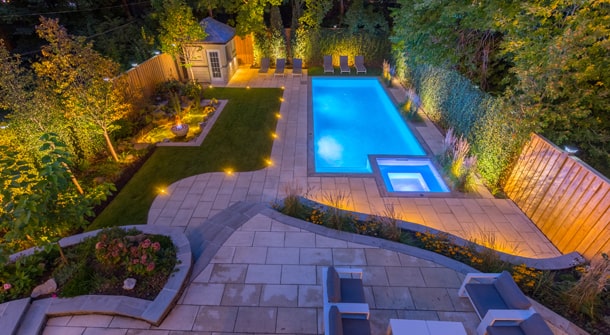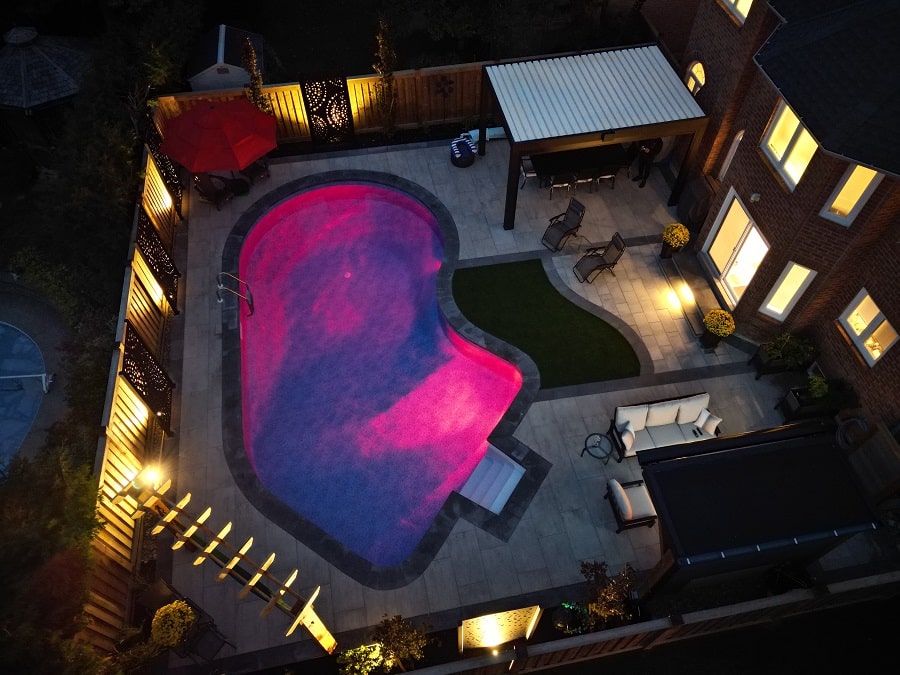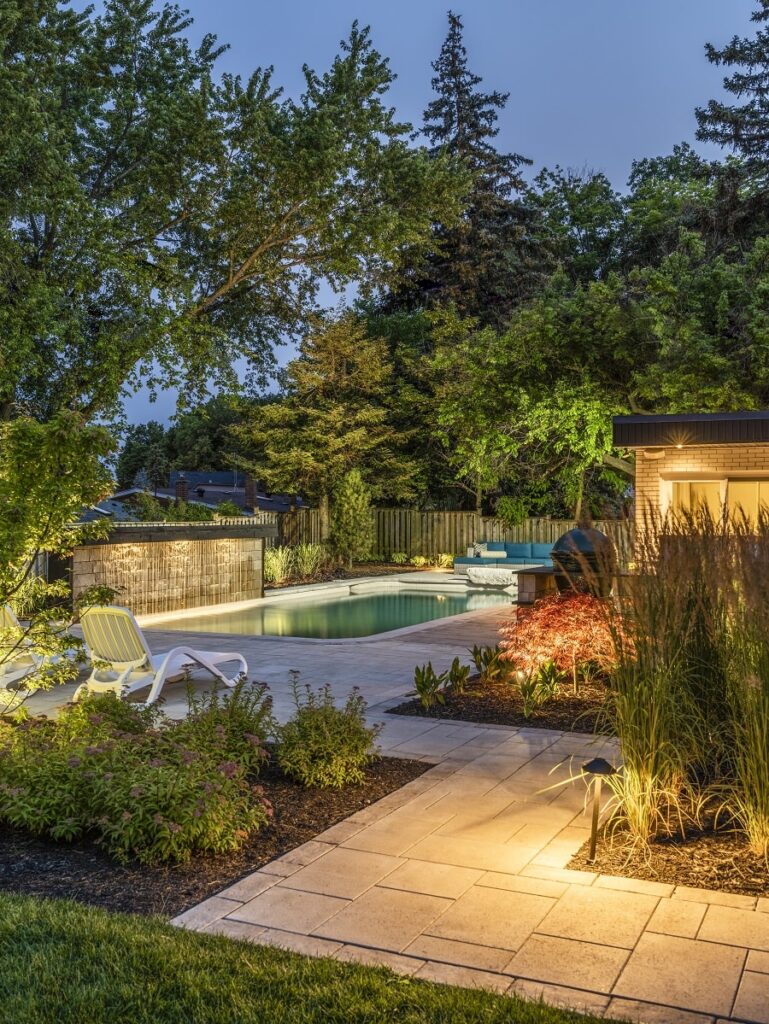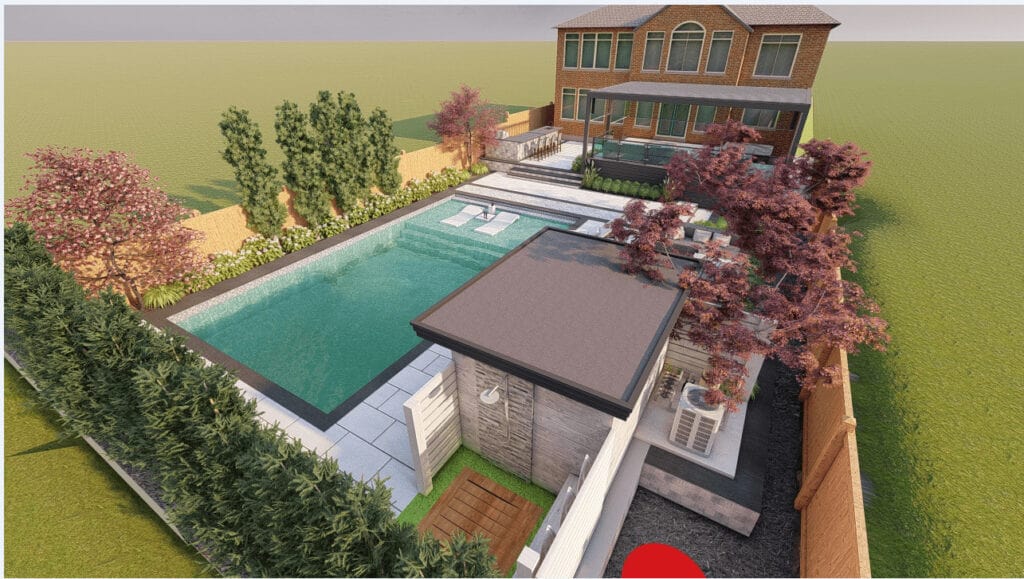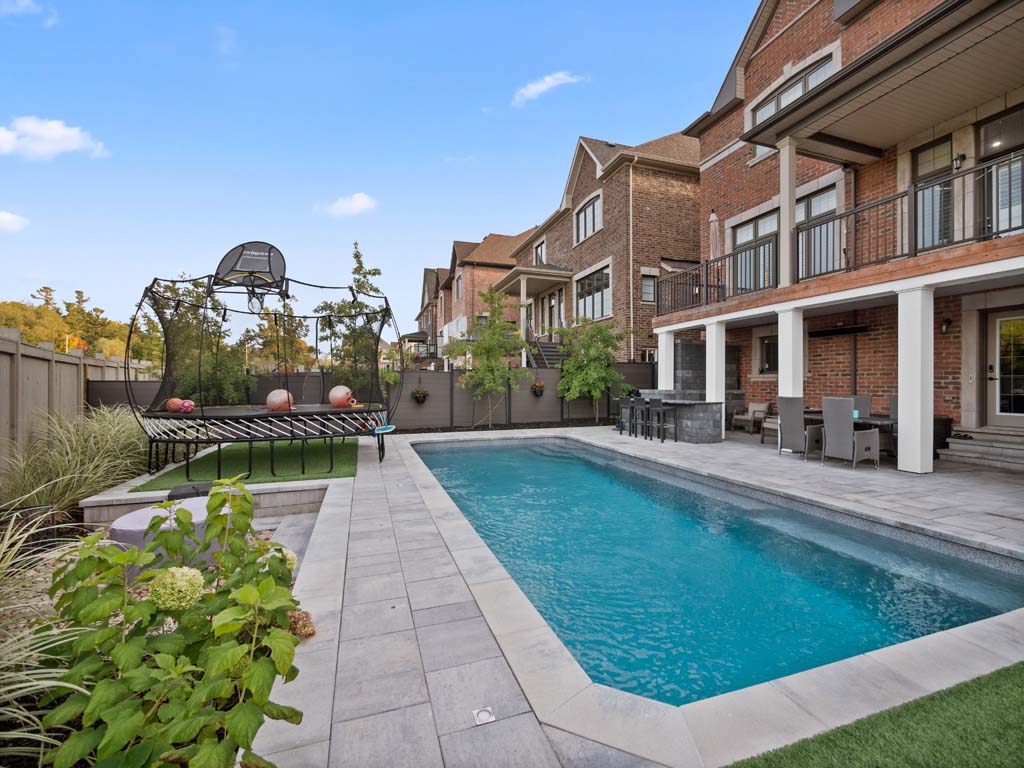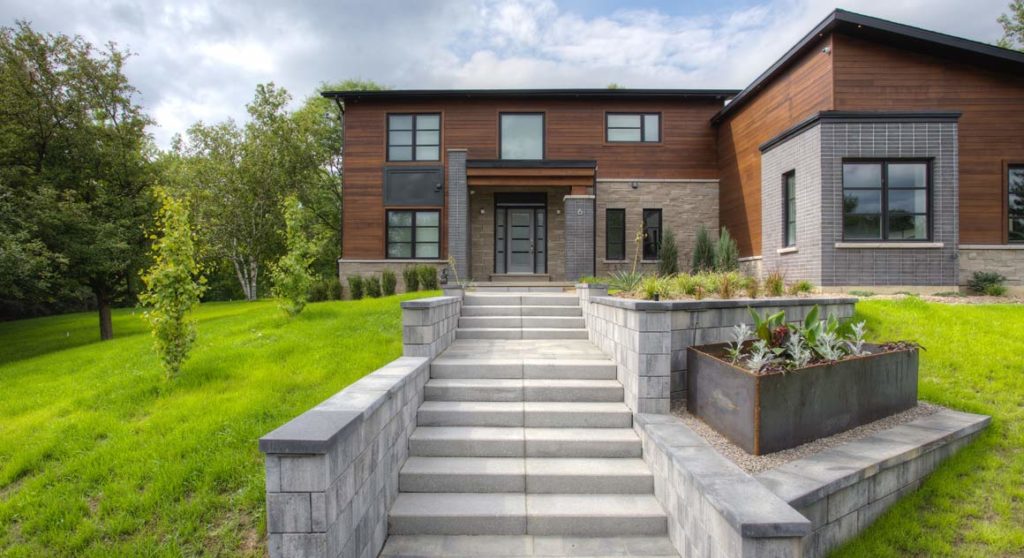
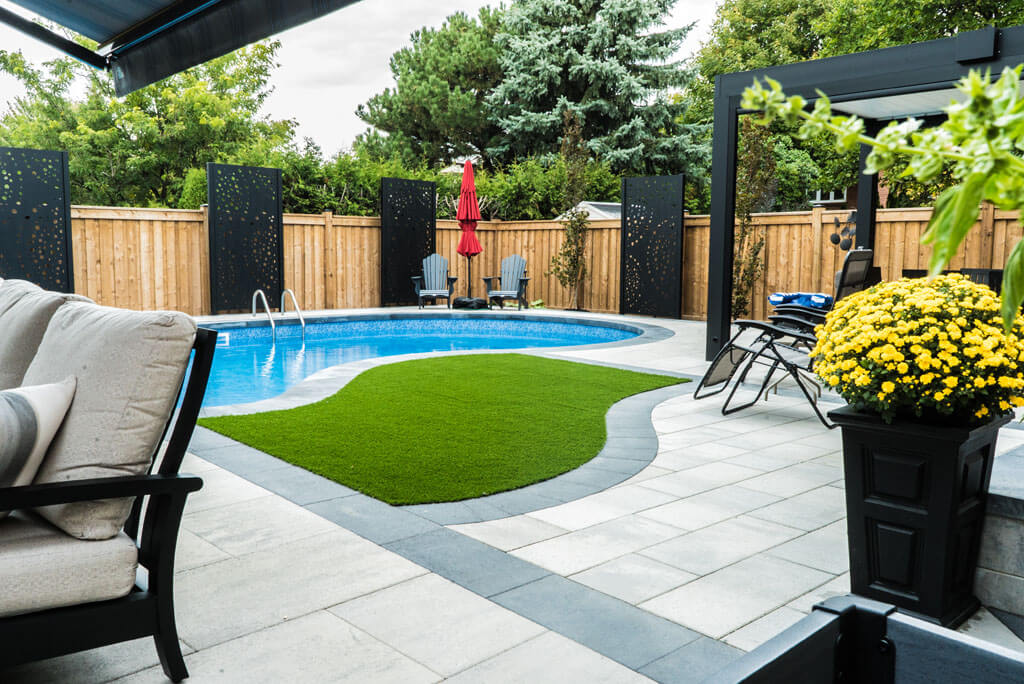
A luxury pool is rarely defined by tile, coping, or water features alone. Those details matter, but they do not rescue a poor layout. When the placement is wrong, even beautiful pool designs can feel exposed, cold, awkward, or disconnected from the home.
That is why experienced outdoor design teams do not start with finishes. They start with the site. Before discussing shapes or materials, they study where the sunlight falls, where neighbours can look in, how wind moves across the yard, and what the pool will look like from key spaces inside the house. That is the difference between a backyard with a pool and a fully considered luxury environment.
For homeowners planning swimming pool design, this stage matters more than most people realize. The right placement improves comfort, privacy, visual balance, and long-term enjoyment. It also helps the rest of the yard work better, from lounge areas and dining zones to planting, circulation, and night lighting.
If you are evaluating swimming pool design in Toronto, this guide explains how a professional landscape designer thinks through pool placement before pool building begins.
Why Pool Placement Has Such a Big Impact on the Final Result
Most homeowners first imagine the pool itself. They think about length, shape, edge detail, and the surrounding patio. A designer looks at the bigger picture.
Placement affects all of the following:
- How warm and inviting the water feels
- How private the yard feels while swimming or entertaining
- How comfortable lounge seating is on windy days
- How the pool looks from the kitchen, family room, or upper-floor windows
- How easily people move between the house, the pool, and other outdoor areas
- How much of the backyard remains useful after the pool is installed
This is why luxury projects feel different. They are not just attractive. They feel settled. The pool appears to belong exactly where it is.
Poor placement usually creates one or more of these issues:
- Too much shade over the water
- Direct views from neighbouring windows
- Loungers placed in the windiest part of the yard
- A pool dropped into the center with no clear relationship to the house
- Leftover strips of unusable lawn or paving around the edges
The goal of premium outdoor design is not to place a pool anywhere it fits. It is to position it where the entire property works better because of it.
The First Thing a Designer Does: Read the Site Properly
A good pool layout begins with site reading. That means understanding the property as it exists today, not as it looks in a sketch.
Before recommending placement, a designer typically studies:
- Lot width and depth
- Existing grade and slope
- House orientation
- Mature trees and shadow patterns
- Privacy exposure from both sides and behind
- Wind movement across the site
- Existing access points
- Drainage behaviour
- Architectural lines of the home
- How the yard is likely to be used
In Toronto, this step is especially important. Many properties are narrow, close to neighbours, and shaped by mature neighbourhood conditions. Some have limited side-yard access. Others have rear-yard exposure from higher homes nearby. A placement that looks fine on a basic concept drawing may feel completely different in real life.
What a Designer Evaluates Before Choosing Pool Placement
| Site Factor | Why It Matters |
What Can Go Wrong if Ignored |
| Sun path | Improves warmth and comfort | Pool feels cold and underused |
| Privacy exposure | Creates exclusivity and ease | Yard feels exposed |
| Wind direction | Protects seating and water comfort | Decks feel chilly and unpleasant |
| Sightlines | Improves visual composition | Pool feels random or misplaced |
| Circulation | Connects the house to outdoor zones | Movement feels awkward |
| Grade and drainage | Supports performance and longevity | Expensive corrections later |
This is also where experience becomes valuable. A capable swimming pool company or design-build team does not just ask where you want the pool. They help you understand what the site is telling you.
Planning for Sun: Warmth, Comfort, and Daily Usability
Sunlight is one of the most practical factors in swimming pool design, yet it is often oversimplified. People assume “more sun is always better,” but the real question is where it is most useful.
Designers usually think about three things at once:
- How much sunlight reaches the water
- When that sunlight arrives
- Where shade is still needed around the pool
A pool that gets strong midday and afternoon sun may feel more inviting and may require less help from heating systems during the main swimming season. But a luxury backyard also needs relief. A seating area with no shaded option may be just as uncomfortable as a pool with too much shade.
That is why the best layouts often create a balance:
- Sunlight on the water
- Selective shade near seating
- Comfortable transitions between active and passive zones
For example, imagine two backyards.
In the first, the pool is tucked under mature trees because that area looked visually secluded. It photographs well, but the water stays cooler, leaves increase maintenance, and the pool is less appealing outside peak summer heat.
In the second, the pool is shifted into a sunnier zone, while a pergola-covered lounge and planted edge provide relief nearby. The result feels warmer, easier to use, and more refined.
Luxury is not about choosing sunlight or shade. It is about placing each in the right place.
Designing for Privacy Without Making the Yard Feel Closed Off
Privacy is one of the clearest signs of thoughtful high-end design. People do not invest in premium outdoor spaces to feel like they are on display.
But privacy does not simply mean blocking everything. Good design controls views in a way that still feels open and elegant.
A designer typically studies:
- Second-storey overlook points from neighbouring homes
- Side-yard windows and fence lines
- Street or lane visibility
- Views from inside your own home
- The difference between active areas and retreat areas
This matters because not every part of the backyard needs the same level of screening. The pool itself may be partially open to preserve a long view. A sunbed area, outdoor shower, or spa nook may need more enclosure. Dining may need softness and intimacy without feeling boxed in.
Smart Privacy Moves in Luxury Pool Layouts
- Layer hedges and planting instead of relying on one flat barrier
- Use feature walls where stronger screening is required
- Place pergolas or cabanas where privacy and shelter overlap
- Screen the most vulnerable sightlines first
- Frame desirable views instead of blocking everything evenly
Privacy should feel designed, not defensive. When done well, it changes the emotional tone of the space. The yard feels calmer, more exclusive, and more comfortable to use at any time of day.
Why Wind Changes the Experience More Than Homeowners Expect
Wind is one of the least discussed parts of swimming pool design in Toronto, but it has a direct effect on comfort.
A windy site can create problems such as:
- A chill after leaving the water
- Uncomfortable lounging or dining
- More debris in the pool
- Faster evaporation
- A space that looks beautiful but feels less usable
This is where placement and landscape design work together. A pool does not exist in isolation. Planting, walls, pergolas, and built structures can all help shape the microclimate.
A designer may decide to:
- Place the pool where it still receives good sun
- Shift the main seating zone slightly out of the wind path
- Use layered planting as a softer wind buffer
- Position a cabana or privacy wall where it improves both shelter and enclosure
That kind of thinking is what separates decorative planning from real outdoor design.
For example, a homeowner may want the longest possible pool axis across the yard. On paper, it looks impressive. On-site, that same layout may place the main lounge in the most exposed corner. A stronger luxury solution would slightly adjust the orientation so the pool still looks generous, while the seating is better protected and more enjoyable to use.
Book a Consultation Now!
Sightlines: The Detail That Makes a Pool Feel Expensive
Many luxury backyards feel elevated before you even step outside. That usually comes down to sightlines.
Sightlines are the views you create from important positions:
- From the kitchen or family room
- From the rear doors
- From the primary bedroom
- From the terrace
- From the first point of arrival into the yard
A designer asks: what should the eye land on?
Sometimes the pool is meant to be the focal point. In other cases, it is one part of a bigger composition that includes architecture, planting, steps, lighting, and gathering spaces.
Good vs Poor Pool Sightlines
|
Design Choice |
Likely Result |
| Pool aligned with the rear façade or terrace | Feels intentional and architectural |
| Pool placed in a leftover corner | Feels secondary or improvised |
| Framed view with planting or low walls | More layered and refined |
| Pool visible from everywhere with no control | Less private and less composed |
This is especially important in high-end projects because the pool is not only a recreational feature. It is a visual anchor. It should improve the way the home and landscape relate to each other.
A well-placed pool can make the house feel larger, the yard feel longer, and the entire composition feel more deliberate. That is why placement often matters more than the pool shape itself.
Luxury Pool Placement Must Work With Outdoor Rooms
A premium backyard is not just water surrounded by paving. It is usually made up of outdoor rooms with different purposes.
These may include:
- A main swim zone
- A shallow lounging edge or tanning area
- A shaded conversation space
- An outdoor dining zone
- A kitchen or grilling area
- A fire feature space
- A planted garden edge
- A quiet retreat away from activity
The pool should support these spaces, not compete with them.
A well-planned pool layout should also answer a few practical day-to-day questions:
- Can guests move from the house to the pool without crossing the dining area awkwardly?
- Is there a logical place to sit with a drink after swimming?
- Does the layout leave room for both active and quiet use?
- Is there enough breathing room around the water?
This is one reason homeowners should think carefully before treating pool building as a separate decision from landscape planning. When the pool is placed first without a full-yard strategy, the rest of the project often becomes reactive.
The best results happen when the pool, hardscape, planting, lighting, and gathering spaces are planned together.
Common Placement Mistakes That Reduce Luxury Appeal
Even generous budgets can produce average results when the early planning is weak. Here are some of the most common mistakes homeowners make:
1. Choosing shape before choosing location
The right shape depends on the site, not the other way around.
2. Placing the pool wherever excavation seems easiest
Convenience during construction should not drive the long-term design outcome.
3. Ignoring upper-level privacy exposure
Fence lines do not solve second-storey overlook issues.
4. Putting all seating in the sunniest spot without considering the wind
A sun-filled lounge can still feel uncomfortable if it is too exposed.
5. Treating planting as decoration only
Planting is not just for softness. It helps create privacy, shelter, scale, and sequence.
6. Leaving no clear relationship between house and pool
The pool should feel connected to the architecture, not detached from it.
7. Separating the pool plan from the landscape plan
This often leads to awkward circulation, compromised patios, and a less cohesive final result.
These mistakes are avoidable when homeowners work with teams that understand both landscape design and pool planning rather than looking at each piece independently.
What the Best Luxury Pool Placements Usually Have in Common
The most successful pool designs tend to share a few consistent traits:
- They feel connected to the home
- They get the right amount of sunlight
- They protect privacy where it matters most
- They manage wind well enough to improve comfort
- They preserve clear and attractive sightlines
- They leave room for outdoor living beyond the water
- They support everyday use, not just visual impact
That last point matters. Real luxury is not a pool that only looks impressive in a render. It is a backyard that feels intuitive, comfortable, and complete once people actually start using it.
Whether you are comparing early concepts or speaking with swimming pool builders, this is the right lens to use. Ask not only how the pool will look, but how the placement improves the property as a whole.
Quick FAQs
1. Where should a luxury pool be placed in a backyard?
A luxury pool should be placed where it gets beneficial sunlight, feels private, works with wind conditions, and connects naturally to the house and outdoor living areas.
2. Why does sunlight matter so much in pool placement?
Sunlight affects how inviting the water feels and how often the pool gets used. It also influences where shade should be added around seating.
3. How do designers create privacy around a pool?
They use layout changes, planting layers, walls, structures, and careful screening of key sightlines rather than blocking the whole yard evenly.
4. Why is wind important in swimming pool design?
Wind affects comfort, debris, evaporation, and how enjoyable the surrounding lounge spaces feel.
5. When should homeowners involve a designer?
As early as possible. Pool placement decisions shape the entire backyard, so design should happen before construction plans are locked in.
Design a Luxury Pool That Works Beautifully With Your Landscape
At LandCon, we believe a successful pool project starts long before construction begins. It starts with understanding the property, the home, and how the entire outdoor space should function together. Sunlight, privacy, wind, sightlines, and movement all play a role in getting the placement right.
If you are planning a custom pool, treat the layout as a major design decision, not a minor detail. The right placement can shape how comfortable, private, and visually cohesive your backyard feels for years to come.
Our team approaches swimming pool design projects in Toronto as part of the full landscape, not as a stand-alone feature. By aligning pool placement with the overall design of the property, LandCon helps homeowners create outdoor spaces that feel intentional, elegant, and built for real living.
Call us at 416.504.5263 to discuss your project or email info@landcon.ca to get started. Or, submit our online contact form to book a consultation.