Reviewed and updated for 2026 by the Land-Con commercial landscaping team.
When it comes to landscaping, the needs and considerations for commercial properties differ significantly from those of residential spaces. As a property owner or manager, understanding the distinctions between residential and commercial landscaping can help you make informed decisions about maintaining and enhancing your property’s outdoor spaces. It can help you consult and hire the right professionals. Here’s a look at the key factors that set commercial landscaping apart.
Commercial Landscaping in 2026: From Curb Appeal to Operational Asset
For decades, commercial landscaping was judged almost entirely on appearance — clean edges, green turf, seasonal colour. That’s shifting. Property managers across the GTA increasingly treat landscaping as operational infrastructure rather than a purely aesthetic line item: well-designed grounds now manage stormwater, reduce long-term maintenance costs, and factor directly into tenant retention and leasing decisions. Studies on commercial properties consistently link professionally landscaped grounds to higher occupancy rates and stronger asset value over time.
On the aesthetic side, 2026 colour palettes for commercial grounds are trending toward calmer, more natural tones — deep greens, warm browns, and muted golds, along with silver and blue-green foliage for a cooling visual effect. The goal is a more upscale, layered look that reads as intentional rather than high-maintenance.
Sustainability has also moved from a nice-to-have to a practical requirement for many GTA properties. Rain gardens, bioswales, and permeable pavers help manage stormwater runoff and reduce pressure on municipal systems — some of these upgrades may qualify for the City of Toronto’s stormwater management incentives. Smart irrigation with weather-adjusted controllers and rain sensors is also becoming standard on larger commercial sites, cutting water use without sacrificing plant health. See our full range of commercial and condo landscaping services for how we approach these projects end to end.
Key Factors that Differentiate Commercial Landscaping
Creating Curb Appeal
Commercial properties, such as office buildings, retail centers, and hotels, rely heavily on curb appeal to attract customers, tenants, and visitors. The landscaping of these properties plays a vital role in making a positive first impression. Unlike residential landscaping, which focuses primarily on personal aesthetics and functional needs, commercial landscaping is tailored to enhance the overall appeal and professionalism of a business setting.
Professional landscapers experienced in commercial projects understand how to design and maintain landscapes that align with the branding and image of a business. This may involve incorporating corporate colors, installing impressive entry features, and ensuring year-round visual appeal through strategic plantings and maintenance.
Specialized Crews
Another significant difference lies in the complexity and scale of commercial landscaping projects. Unlike residential jobs, which can often be handled by smaller teams, commercial properties require specialized crews equipped to manage larger areas efficiently. These landscapers are trained to handle the complexities of expansive landscapes, including irrigation systems, hardscape installations, and ongoing maintenance.
Industry Certification and Recognition
Commercial landscaping companies often possess industry-specific certifications, credentials, and awards that demonstrate their expertise in managing large-scale projects. These certifications ensure compliance with local regulations and industry standards, providing peace of mind to property owners and managers.
In Toronto, reputable commercial landscapers adhere to local bylaws and environmental regulations while implementing sustainable practices. Certification programs like those offered by Landscape Ontario provide recognition of professional competency and commitment to quality workmanship. If your project needs a licensed landscape architect specifically, our guide on how landscape architects transform commercial properties covers what that role adds to a larger project.
Type of Equipment Required
Commercial landscaping requires specialized equipment and machinery suited for larger properties and more extensive tasks. From heavy-duty mowers and trimmers to earth-moving equipment for hardscape installations, landscapers invest in the right tools to efficiently execute projects of varying scales.
Design Goals
The design goals are often driven by functional considerations alongside aesthetic appeal. Commercial properties require landscapes that accommodate high foot traffic, provide accessible green spaces, and enhance the overall usability of outdoor areas. Design elements must align with practical needs such as parking lot circulation, pedestrian pathways, and outdoor seating areas.
Scale and Scope
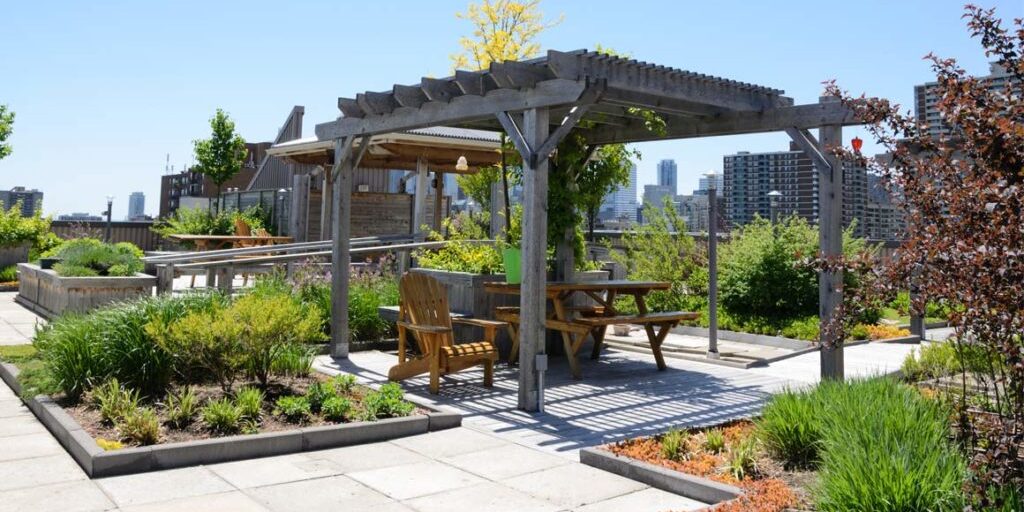
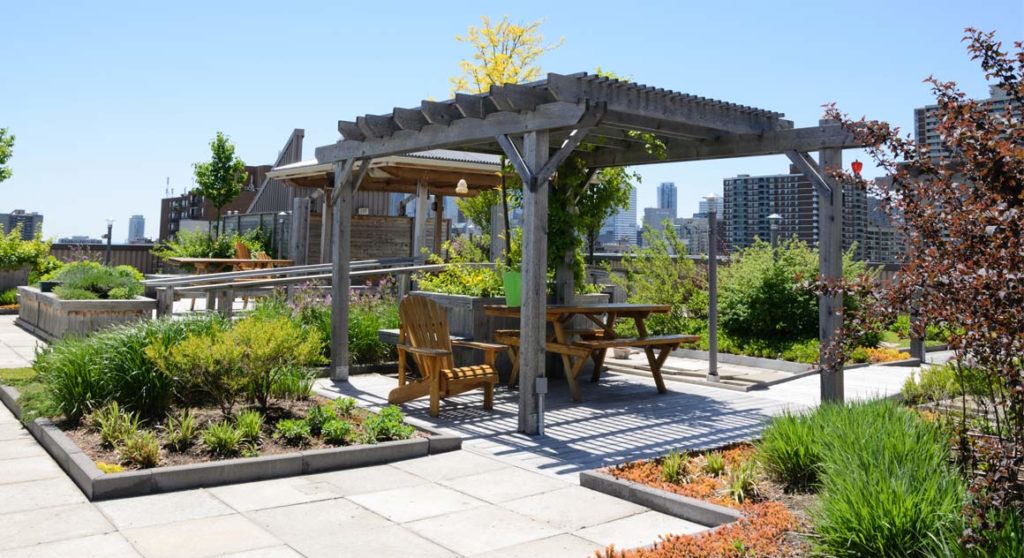
One of the most apparent differences between commercial and residential landscaping is the scale and scope of the projects involved. Commercial properties often encompass larger areas that require comprehensive landscape design and maintenance strategies. This includes expansive lawns, parking lots, walkways, and specialized outdoor spaces like courtyards or rooftop gardens.
Commercial landscaping projects must account for factors such as property size, site accessibility, and the integration of various landscape elements into a cohesive design. Landscapers experienced in commercial projects can efficiently navigate these challenges while maximizing the aesthetic and functional potential of the property.
Budget
Budgeting for commercial projects differs significantly from residential projects due to the scale and ongoing maintenance needs of the properties. Commercial property owners typically allocate larger budgets for landscaping which includes the initial design and installation costs as well as ongoing maintenance and seasonal enhancements. An experienced commercial landscaping company collaborates closely with clients to develop a budget-conscious plan that maximizes the property’s potential while aligning with financial goals and operational needs.
Maintenance
Maintenance is a critical aspect for a commercial property, requiring proactive and consistent care to preserve the property’s appeal and functionality. Unlike residential spaces, which may have less frequent maintenance needs, commercial landscapes face higher levels of foot traffic and use, necessitating regular upkeep. Professionals offer comprehensive maintenance services, including lawn care, irrigation management, seasonal planting, and hardscape maintenance, to ensure the landscape remains vibrant and inviting throughout the year.
Functional Differences
Commercial outdoor spaces serve multiple functional purposes beyond aesthetics, catering to specific activities and user needs. Designing requires considerations for accessibility, safety, and efficient circulation within outdoor spaces. Expert commercial landscaping companies integrate functional elements such as designated seating areas, pedestrian pathways, and outdoor amenities that align with the property’s operational requirements.
Regulatory and Environmental Considerations
Commercial projects are subject to stringent regulatory requirements and environmental considerations. Local zoning laws, building codes, and environmental regulations must be adhered to during the design, construction, and maintenance phases. Experienced commercial landscapers are well-versed in navigating municipal guidelines related to water conservation, plant selection, and sustainable landscaping practices.
Understanding these key factors is essential for commercial property owners in Toronto looking to enhance their outdoor spaces effectively. By partnering with a reputable commercial landscaping company that specializes in large-scale projects and understands the unique demands of commercial properties, owners can achieve landscapes that reflect their business’s image, functionality, and sustainability.
Design Elements That Enhance a Commercial Landscape
Beyond the structural differences above, a handful of specific design elements consistently make the biggest difference in how a commercial property looks and functions day to day.
The Entrance
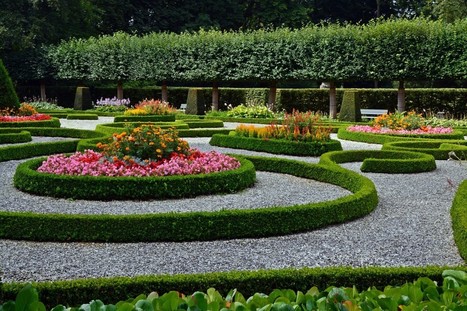
The entrance is the single most important segment of any commercial property’s landscaping — it’s the first thing visitors see and it sets the tone for everything after. A mix of plants that thrive through all four Toronto seasons works best: evergreens for winter interest, vibrant perennials for a burst of colour when the weather warms up. Pathways leading to the entrance should be well-lit and marked, using materials like natural stone or high-quality pavers for a polished look. Planters, benches, and well-placed sculptures can make the entrance feel more inviting without overcomplicating the design.
Lighting and Signage
Lighting shouldn’t be too bright or too dim — the goal is safety and visibility without glare, and night lighting along paths matters as much as decorative lighting near the entrance. Landscape lighting also improves safety by illuminating pathways, entrances, and parking areas so they stay accessible after dark; LED and solar-powered fixtures are the most energy-efficient options for larger properties (see our full outdoor landscape lighting services for design and installation options). Signage should be functional and legible first, matching the overall landscape aesthetic second — planting colourful flowers or a small rock garden around the base of a sign, and making sure it’s well-lit at night, keeps it noticeable without looking like an afterthought.
Seating and Green Gathering Spots
Adding seating — from simple benches to full patio areas — gives a commercial landscape functionality beyond aesthetics, and doubles as a waiting or de-stressing area for employees. Green gathering spots with shade structures like pergolas or large umbrellas, paired with a water fountain or small pond, create a genuinely usable outdoor space rather than just a green backdrop. These spaces can also double as informal outdoor meeting areas, which many tenants and employees actively prefer over another indoor conference room.
Fire Pits and Water Features
A fire pit gives a commercial landscape a focal point that’s usable across three seasons, offering warmth and atmosphere well into the cooler months — stone or metal designs both work, surrounded by enough seating for people to actually gather around it. A fountain does something similar in a different register: it adds a sense of tranquility, and the sound of moving water helps mask traffic and street noise, which matters more than most property owners expect on a busy urban site.
Walking Trails and Parking Area Landscaping
Walking trails add functionality for properties with the space to support them, giving employees and visitors somewhere to walk or decompress during the day — gravel, mulch, or stone all work well as durable, low-maintenance surfaces. Parking areas benefit from the same landscaping attention as the rest of the property: green space around the perimeter softens the hardscape, trees provide shade, and permeable paving materials help manage stormwater runoff. Good lighting in parking areas is a safety issue as much as an aesthetic one, especially through Toronto’s shorter winter days.
Why Invest in Commercial Landscaping?
The return on a well-planned commercial landscape shows up in a few consistent ways:
- Economic advantage. Well-kept, aesthetically pleasing properties are generally seen as a sign of efficiency and good management — and appropriately placed trees and other natural elements can help cut energy bills by roughly 12-25% through added shade and windbreak effects.
- Attracts and retains clients and tenants. A well-landscaped property has a real psychological effect on visitors and employees, and it’s one of the more direct ways to establish a polished brand image.
- Environmental benefits. Native plantings filter air, require less water, and help prevent soil erosion — all of which support broader sustainability goals without a major added cost.
- Saves time and money long-term. Professional maintenance means you’re not buying and storing your own landscaping equipment, and an experienced team catches small problems before they become expensive ones.
- More usable space. A well-organized outdoor area gives you a clutter-free space that can double as an informal client meeting spot or employee break area.
- Increases property value. Outdoor appeal plays a real role in property valuation — a neglected landscape will consistently fetch less than a well-maintained one, whether the property is being sold or leased.
What a Good Commercial Landscape Should Communicate
Beyond looking good, a well-designed commercial landscape should actively communicate something about the business behind it. A wellness-focused business might lean toward a Zen-style garden; a corporate campus might favour clean, structured plantings that feel professional rather than casual. A well-laid pathway does double duty here too — it directs visitor traffic to your entrance while reinforcing that same sense of intention, especially when lit for evening visibility.
Water features — fountains, small ponds, or artificial waterfalls — add a natural, calming element that’s popular across commercial landscaping styles, from corporate offices to retail centres. Foliage plays a similar softening role: the right mix of plants and grass can take the hard edges off a building’s architecture and make the whole property feel more welcoming, rather than purely functional.
Hardscaping: Pathways, Patios, and Walls

Hardscape elements do more than look good — they solve real problems. Pathways prevent slip-and-fall hazards on grassy areas and give the whole property a neater, more considered look; pebbled or natural-stone pathways add a bit of visual character on top of the practical benefit. A well-designed patio serves as a natural gathering spot for staff or clients, needs minimal ongoing maintenance compared to a lawn area, and can double as additional space for vehicles or events when needed (see our stamped concrete services for a durable, customizable patio and walkway option). Walls are the most overlooked hardscape opportunity on many properties — beyond aesthetics, retaining walls prevent erosion on sloped sites during heavy storms and can even help expand usable parking area when designed with that in mind.
How to Choose the Right Commercial Landscaping Company
A professional commercial landscaping contractor should visibly bring a few qualities to the table:
- Custom design work. A contractor should be able to assess your specific property and present a plan tailored to it — not a template applied to every job.
- High-quality materials. Materials sourced from reliable dealers, with real variety in colour, texture, and finish, hold up longer and look more intentional.
- Craftsmanship, not just design. A good design on paper still needs a skilled installation crew to actually deliver a smooth, durable result.
- A track record that exceeds expectations. Talk to previous clients where possible — attention to detail is usually obvious once you know what to look for.
A few common mistakes are worth avoiding when hiring:
- Choosing a contractor who isn’t responsive. How a company communicates before you’ve signed anything is a strong preview of what the whole project will feel like.
- Letting price be the only factor. Get estimates from multiple sources and weigh reputation and scope alongside cost, not instead of it.
- Skipping the portfolio review. Previous work tells you more about a contractor’s style and quality than a sales pitch ever will.
- Not reading reviews or checking references. A few minutes of research narrows your shortlist fast.
- Not asking the right questions. At minimum, ask how long they’ve been in business, what services they actually offer, who will be on-site for your project, and whether they’re licensed and insured.
What Type of Properties Can a Commercial Landscaping Company Work On

Commercial landscaping companies in Toronto specialize in enhancing the outdoor environments of diverse properties beyond traditional office spaces. Here’s a comprehensive look at the types of properties that can leverage the benefits:
1. Corporate Campuses
Corporate campuses often feature extensive outdoor spaces that serve as functional areas and aesthetic focal points. Commercial landscapers collaborate with corporate clients to design and maintain landscapes that reflect the company’s brand identity, foster employee well-being, and create inviting outdoor environments for meetings and events.
2. Healthcare Facilities
Landscaping plays a crucial role in healthcare settings by providing serene outdoor spaces that contribute to patient recovery and staff morale. Commercial landscapers understand the unique requirements of healthcare facilities, such as accessibility, safety, and therapeutic design principles. They can create healing gardens, accessible pathways, and calming green spaces that support the overall wellness goals of healthcare environments.
3. Multi-family Apartment Buildings
Multi-family residential complexes benefit from well-designed and maintained landscapes that enhance tenant satisfaction and property value. Commercial landscapers work closely with property managers and homeowners’ associations to create attractive outdoor amenities, communal spaces, and functional landscapes that meet the diverse needs of residents.
4. Condominium Developments
Condominium developments require landscaping solutions that blend aesthetics with functionality. Commercial landscapers design and maintain common areas, rooftop gardens, and outdoor amenities that contribute to the sense of community and lifestyle appeal for condo residents. Accessible, inclusive design is worth planning for from the start too — see our piece on designing inclusive outdoor spaces for commercial properties for how that’s approached.
5. Shopping Malls
Shopping malls rely on attractive landscaping to attract visitors, create memorable experiences, and differentiate themselves in a competitive retail environment. Commercial landscaping companies design inviting outdoor plazas, pedestrian-friendly walkways, and seasonal displays that complement the shopping experience and encourage customer engagement.
6. Production and Manufacturing Facilities
Production and manufacturing facilities have unique landscaping needs related to safety, accessibility, and environmental considerations. Commercial landscapers provide landscaping solutions that integrate with industrial settings, including green buffers, stormwater management features, and outdoor employee recreational areas.
Each of these property types presents distinct challenges and opportunities for landscaping. By partnering with a specialized commercial landscaping company in Toronto, property owners and managers can make the most of their outdoor spaces, improving aesthetics, functionality, and sustainability across diverse business settings.
Certified & Award-Winning Commercial Landscapers in Toronto
Our credentials as commercial landscapers in Toronto aren’t just marketing claims — they’re independently verified:
- HomeStars Best of Award — recognized for consistent customer satisfaction.
- ICPI Certified — certified in interlocking concrete pavement installation, relevant for commercial pathways, plazas, and parking areas.
- Concrete Masonry Certified — verified expertise in concrete construction for retaining walls, patios, and large-scale hardscape work.
- BILD Member — Building Industry and Land Development Association.
- Landscape Ontario Member — the province’s professional landscaping association.
Frequently Asked Questions
What are the Benefits of Hiring a Commercial Landscaping Company?
Hiring a professional commercial landscaping company in Toronto offers numerous benefits. They can enhance the curb appeal of your property, create inviting outdoor spaces for employees and visitors, ensure compliance with local regulations, and provide ongoing maintenance to preserve the beauty and functionality of your landscape.
What Types of Services Do Commercial Landscaping Companies Offer?
Commercial landscapers provide a comprehensive range of services, including landscape design, hardscape installation, irrigation system design and maintenance, seasonal planting and maintenance, snow and ice management during winter months, and ongoing landscape management.
Can Commercial Landscapers Work with Different Budgets?
Yes, reputable commercial landscaping companies collaborate closely with clients to develop cost-effective solutions that align with various budgets. They can prioritize key elements, recommend durable materials, and offer phased implementation plans to accommodate budget constraints while achieving desired outcomes.
How Can Landscaping Improve Employee Productivity?
Commercial landscaping goes beyond aesthetics. It can positively impact employee productivity. Well-designed outdoor spaces with greenery and seating areas create a more pleasant work environment, reduce stress, and promote employee well-being, ultimately boosting productivity and morale.
What Sustainable Practices Do Commercial Landscapers Employ?
Sustainable landscaping practices are essential for modern commercial properties. Professional landscapers implement eco-friendly strategies such as native plantings, water-efficient irrigation systems, green stormwater management solutions, and composting to minimize environmental impact and support sustainability goals.
How Does Commercial Landscaping Enhance Property Value?
Investing in commercial landscaping can significantly enhance the value of a property. Professionally designed and maintained landscapes improve curb appeal, attract tenants and customers, differentiate the property from competitors, and contribute to higher resale or rental value in the real estate market.
Can Commercial Landscapers Help with Seasonal Color and Plant Rotation?
Yes, landscapers specialize in seasonal color rotations and plantings to ensure year-round visual interest and maintain optimal plant health. They select plants based on seasonal suitability, color schemes, and property-specific requirements to keep landscapes vibrant and appealing throughout the year.
What Should I Look for When Choosing a Commercial Landscaping Company?
Look for a responsive contractor with a strong portfolio, verifiable references, and relevant certifications (such as ICPI or Concrete Masonry certification). Weigh reputation and quality alongside price rather than choosing on price alone.
Request a Quote for Commercial Landscaping in Toronto!
Transform your commercial property into a vibrant and inviting space with a 25-year old company in Toronto. Our dedicated team of commercial landscapers at Land-Con is ready to enhance your property’s curb appeal, functionality, and sustainability.
Request a personalized quote today and discover the benefits of partnering with a trusted commercial landscaping company. Whether you manage a corporate campus, healthcare facility, residential complex, or shopping mall, we have the expertise to design, install, and maintain landscapes that leave a lasting impression.
Our comprehensive range of services can help you create a welcoming environment that reflects your brand identity and enhances the overall value of your property.
Take the first step towards a greener, more beautiful property. Contact us at 416.504.5263 or email us at info@landcon.ca to request a quote and start your journey towards exceptional residential or commercial landscaping in Toronto!
Our service areas include Toronto, Markham, Vaughan, Richmond Hill, Oakville, Barrie, Kitchener, Aurora, Etobicoke, Ottawa, Mississauga, Woodbridge, East York, Maple, Thornhill, Newmarket, Kleinburg, Concord, Hamilton, Burlington, North York, Pickering, Waterloo, and the surrounding GTA.