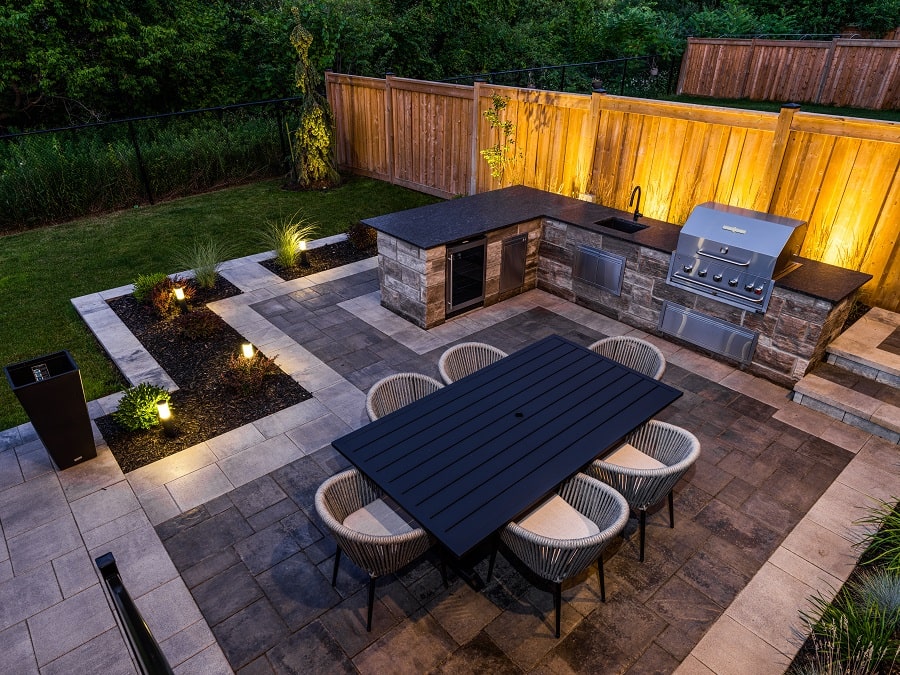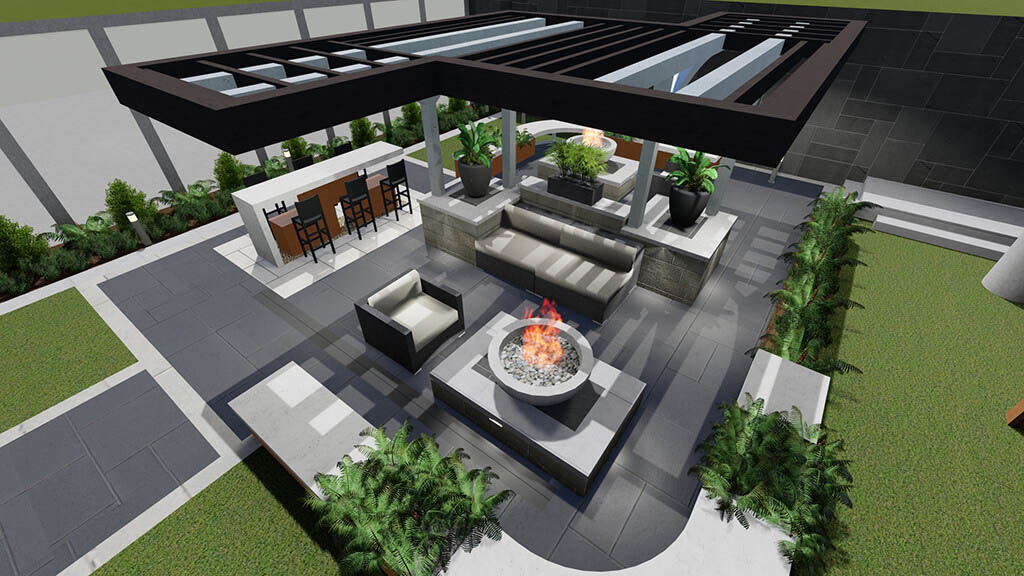

Landscaping involves many aspects and is much more than mowing yards and planting trees and shrubs. It consists of determining the best landscape design, deciding on a suitable landscape construction plan, and implementing it within the predetermined timeline. This helps to enhance the curb appeal, boost the property value, and improve the functionality of your property. Learn more about landscape construction services to get a better idea of how to improve your property.
Importance of Landscape Construction for Property Value
Investing in landscape construction is not merely about enhancing the beauty of your outdoor space. It’s a strategic move to boost your property’s value. A well-designed landscape can significantly improve curb appeal, making your home more attractive to potential buyers. High-quality construction often includes features like patios, walkways, retaining walls, and custom garden beds, all of which can elevate the overall aesthetic and functionality of your property.
Additionally, well-executed landscape design can optimize space usage, offering functional areas for outdoor living, entertaining, and relaxation. This increases the usability of your outdoor areas and demonstrates a well-maintained property, which can have a positive impact on resale value. Furthermore, professional landscape construction services can enhance environmental sustainability by incorporating elements such as efficient irrigation systems and native plantings, which contribute to lower maintenance costs and better water management.
Types of Landscape Construction Services
Hardscapes
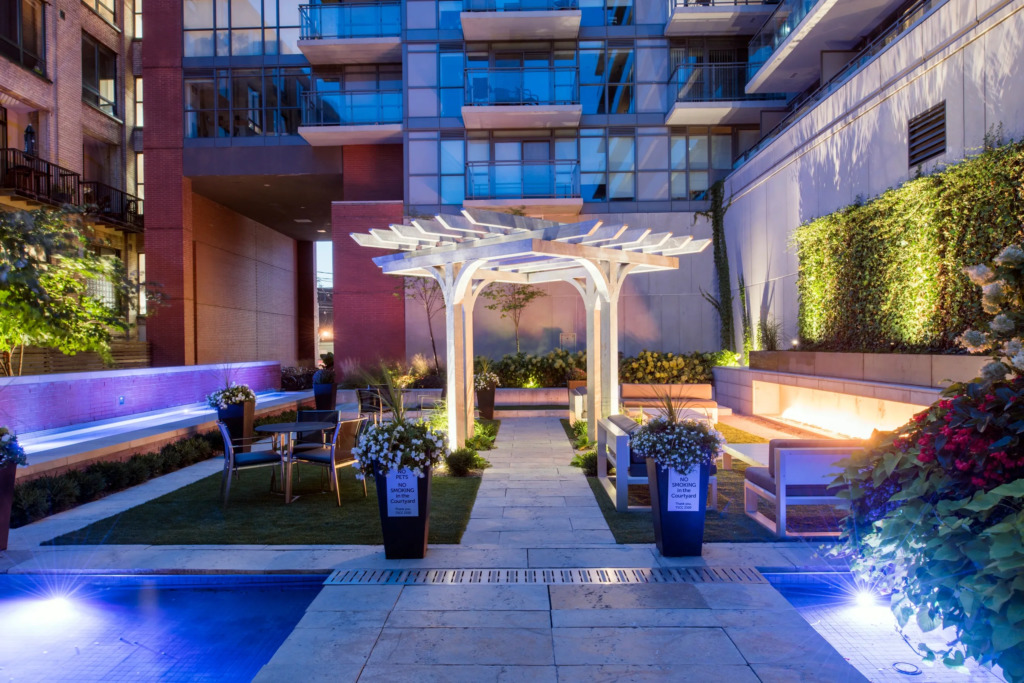
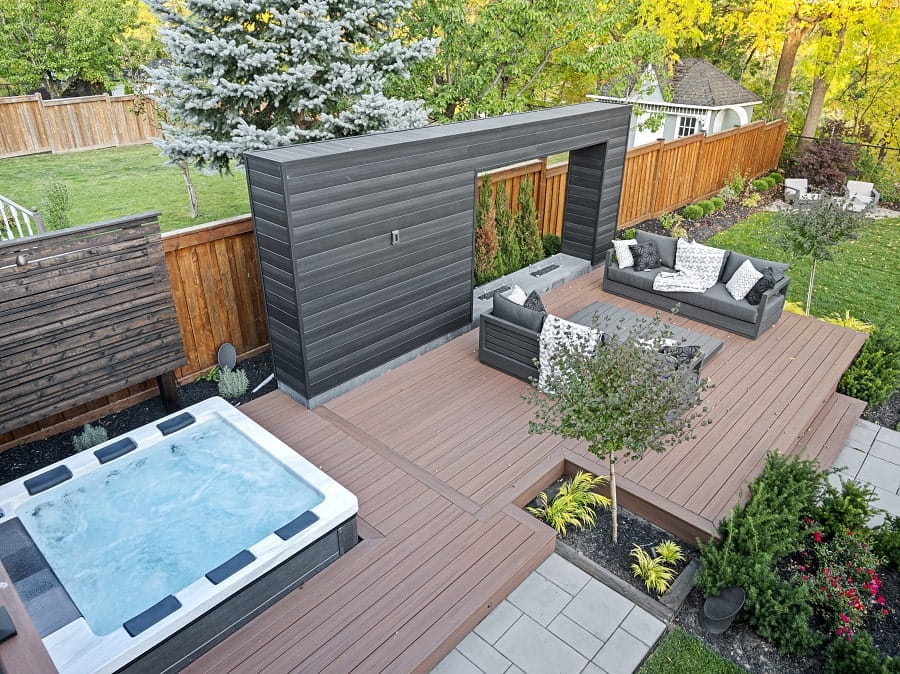
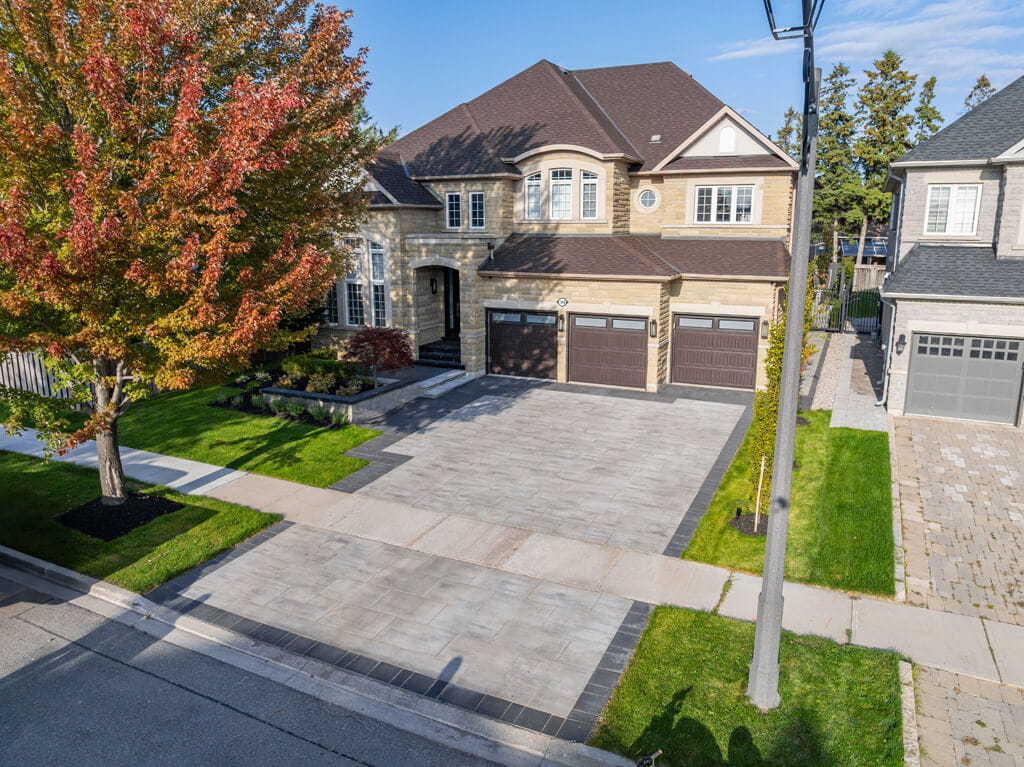
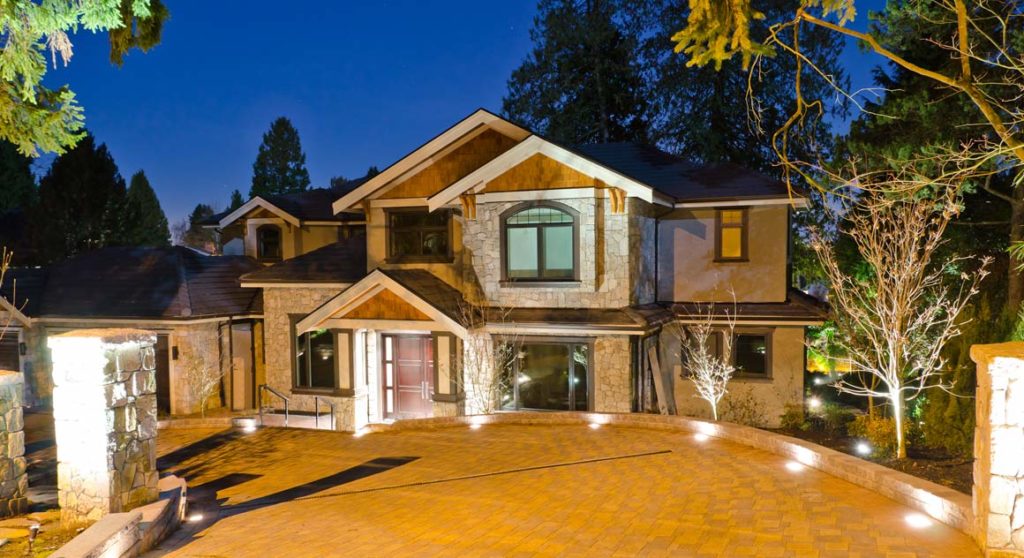
It refers to the hard materials incorporated into a landscape. These components include walkways, driveways, retaining walls, stairs, paved areas, and more. Hardscapes are typically constructed using hard-wearing materials such as concrete, stone, wood, and others. Structures like outdoor kitchens and barbecues, pergolas and cabanas, swimming pools and decks, fire pits and landscape lighting, patios, fencing, and so on are considered an essential part of hardscaping. They also include water features for gardens and pools.
Softscape
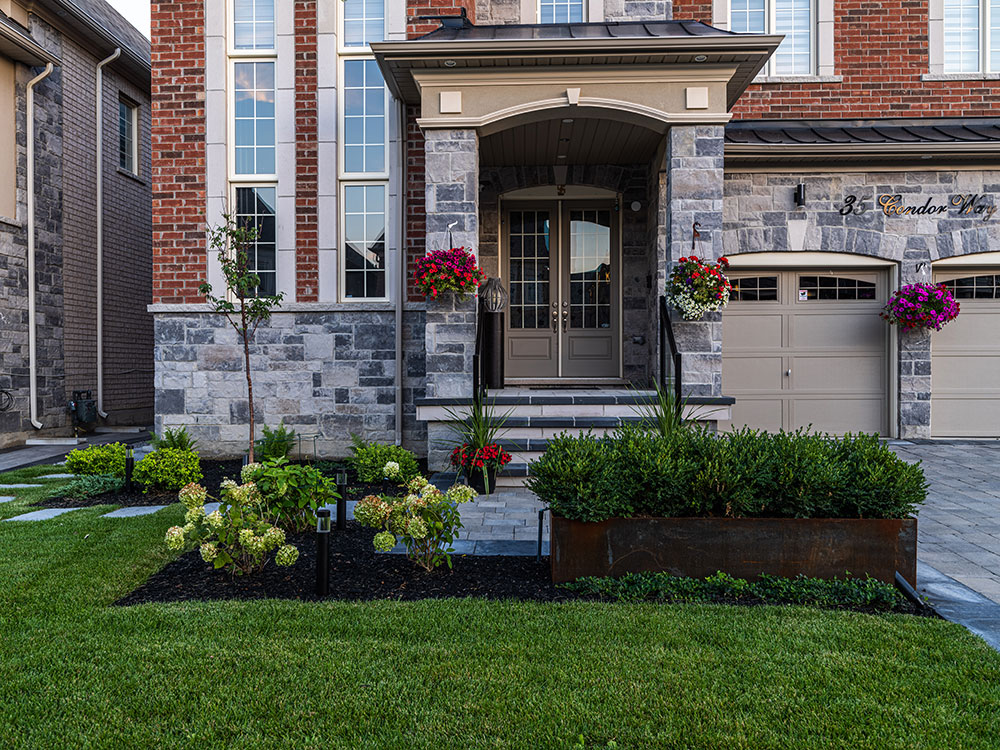
It refers to the plantations and organic materials in a landscape and includes the placement and management of trees, shrubs, grass, flowers, and flower beds. It also comprises weed management, trimming, mowing, aerating, fertilizing, and more. Softscape includes analyzing the property’s landscape and determining a suitable landscape design. This encompasses installing flower beds, yards, lawns, or gardens in residences.
Skills and Expertise Required for Landscape Design and Construction
Effective landscape construction relies on a combination of design skills and technical expertise. A successful project requires a deep understanding of both aesthetics and practical considerations.
Design Skills
Understanding Client Needs and Preferences
One of the most critical aspects of landscape design is accurately capturing the client’s vision. Designers must engage with homeowners to understand their needs, preferences, and lifestyle. This involves discussing what the client hopes to achieve with their outdoor space, whether it’s creating a tranquil retreat, a functional entertainment area, or a vibrant garden. This client-focused approach ensures the final design aligns with their expectations and enhances their satisfaction with the project.
Knowledge of Aesthetic Principles
A solid grasp of aesthetic principles is essential in creating visually pleasing landscapes. This includes an understanding of colour theory, spatial relationships, and balance. Designers must apply these principles to ensure that different elements of the landscape—such as plantings, hardscapes, and structures—work harmoniously together. By considering factors like symmetry, proportion, and contrast, landscape construction services can craft outdoor spaces that are beautiful and cohesive.
Proficiency in Design Software
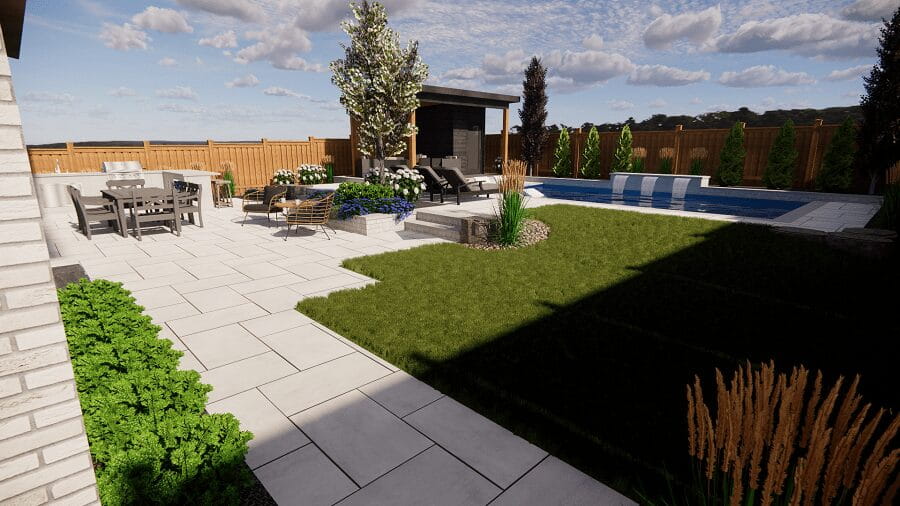
Modern landscape design often involves the use of advanced design software. Proficiency in tools like CAD (Computer-Aided Design) software allows designers to create detailed and accurate plans. These digital designs can help clients visualize the result and make informed decisions about materials and layout. Software tools also facilitate adjustments and refinements, ensuring the final design meets all functional and aesthetic requirements before construction begins.
Technical Skills
Knowledge of Construction Methods
A crucial aspect of landscape construction is the understanding of various construction methods. This includes knowledge of hardscaping techniques such as building patios, walkways, retaining walls, and outdoor structures. Effective construction requires expertise in using materials like concrete, stone, and wood, ensuring they are installed correctly to withstand weather conditions and daily wear. Whether it’s installing a durable paver patio or constructing a functional retaining wall, each method demands precision and skill to ensure long-lasting results.
Understanding of Soil and Drainage Systems
Soil and drainage are fundamental to successful landscape construction. A thorough understanding of soil types, drainage needs, and grading techniques is essential to prevent issues such as waterlogging and erosion. Proper drainage systems, including French drains and surface grading, are designed to direct water away from structures and plant beds, safeguarding against potential damage and maintaining the health of the landscape. This knowledge helps in creating a stable foundation for all other elements of the landscape, ensuring plants thrive and hardscape features remain intact.
Expertise in Plant Selection and Maintenance
Selecting the right plants is vital for creating a visually appealing and sustainable landscape. Expertise in plant selection involves understanding the local climate, soil conditions, and plant compatibility. This ensures that chosen plants will flourish in their designated environment and contribute to the overall aesthetic. Additionally, knowledge of plant maintenance, including pruning, fertilizing, and pest management, is crucial for keeping the landscape healthy and attractive over time. Skilled landscapers offer guidance on plant care and selection to ensure that the landscape remains vibrant and manageable.
Project Management Skills
Budgeting and Cost Management
Effective budgeting and cost management are essential for successful landscape construction projects. This involves estimating costs for materials, labour, and any additional expenses. Landscape construction services typically provide detailed cost estimates and work within the client’s budget to deliver the best value. Managing costs also includes identifying potential cost-saving measures and avoiding unexpected expenses. A well-managed budget helps ensure the project stays on track financially without compromising quality.
Scheduling and Timeline Management
Timely execution is crucial to meet client expectations and project goals. Scheduling involves planning the sequence of tasks, from site preparation to final installation. Accurate timeline management ensures each phase of the project is completed as planned, minimizing delays and disruptions. Coordinating with various trades and suppliers, and adhering to the schedule, helps ensure a smooth workflow and timely completion of the project.
Coordination with Other Contractors
Landscape construction often involves collaboration with other contractors, such as electricians, plumbers, and general contractors. Effective coordination with these professionals is necessary to integrate their work with the landscape construction plan. This collaboration ensures all elements, such as outdoor lighting and irrigation systems, are seamlessly incorporated into the overall design. Clear communication and coordination help prevent conflicts and make sure all aspects of the project are executed harmoniously.
Challenges in Landscape Construction
Landscape construction involves a range of challenges that can impact the success of a project. Understanding these challenges helps homeowners anticipate potential issues and ensure a smoother construction process.
Site-Specific Challenges
Soil Conditions and Drainage Issues
One of the primary site-specific challenges is dealing with soil conditions and drainage. Soil quality can vary widely, affecting plant growth and stability. Poor drainage can lead to waterlogged soil, which may damage plant roots and cause erosion. Effective construction requires assessing soil types and implementing appropriate drainage solutions to ensure water flows away from key areas and maintains the health of your landscape.
Weather and Climate Considerations
Weather and climate play a significant role in landscape construction. Extreme temperatures, heavy rainfall, or high humidity can impact the choice of materials and planting strategies. For instance, certain plants may not thrive in Toronto’s climate, requiring careful selection to ensure long-term success. Additionally, weather conditions can affect construction schedules and the curing times of materials like concrete or mortar. Planning for seasonal variations and incorporating weather-resistant materials can help mitigate these issues.
Design and Aesthetic Challenges
Balancing Functionality and Visual Appeal
One of the biggest design challenges is balancing functionality with visual appeal. A well-designed landscape needs to be practical and attractive. This involves creating outdoor spaces that meet your needs—such as entertainment areas or play zones—while ensuring they enhance the overall aesthetics of your property. Skilled landscape construction services work to harmonize these aspects, ensuring that functional elements like patios or walkways blend seamlessly with the surrounding environment.
Integrating Diverse Elements Cohesively
Integrating diverse elements, such as hardscaping, plantings, and water features, can be challenging. Each component must work together cohesively to create a unified look. Effective construction requires careful planning and coordination to ensure all elements complement each other and contribute to the overall design vision. This cohesive integration is essential for achieving a balanced and visually pleasing landscape.
Commonly Asked Questions
1. What should I consider when selecting a landscaping company in Toronto?
When choosing a landscape construction service in Toronto, consider their experience, portfolio, and client reviews. Ensure they have expertise in local landscape design and can handle various elements like hardscaping and plant selection. Verify their licenses and insurance to avoid potential issues.
2. How do I prepare my property for landscape construction?
Prepare your property by clearing the site of debris and existing structures that will be replaced. Mark out areas where new features will be installed and address any underlying issues, such as drainage problems or uneven terrain before construction begins.
3. How can I ensure my landscaping project stays within budget?
To stay within budget, obtain detailed quotes from multiple contractors and outline all project components in your landscape construction plan. Discuss potential cost-saving measures with your contractor, and account for a contingency fund for unexpected expenses.
4. How long does a typical landscaping project take?
The duration of a landscaping project varies based on its complexity and scope. Simple projects may take a few weeks, while more extensive undertakings, like extensive hardscaping or complex garden designs, could span several months. Discuss the estimated timeline with your contractor before starting.
5. What are the benefits of incorporating sustainable practices in landscape construction?
Sustainable practices, such as using native plants and efficient irrigation systems, can reduce water usage, minimize maintenance, and enhance environmental health. These practices often lead to cost savings in the long term and create a more eco-friendly outdoor space.
6. How often should I maintain my newly installed landscape?
Maintenance frequency depends on the types of plants and features installed. Generally, lawns and plants need regular watering, weeding, and pruning. Hardscape elements may require occasional cleaning and repairs. Consult with your landscape construction service for a maintenance schedule tailored to your specific design.
Hire Our Landscape Construction Services Today!
Land-con is one of the reputable landscaping companies in Toronto with over 25 years of experience. We are committed to offering the best landscape construction services to our clients and ensuring 100% satisfaction. We will understand your specifications, assess your property, and recommend the most suitable designs for your needs.
When it comes to Toronto landscaping, you can trust our expert landscape designers and architects to recommend what is best for your property! Whether you want a swimming pool with a deck, pergola, outdoor kitchen with a bar, garden, stonework on the patio, or any other feature, we can help. If you want to understand what is landscaping in construction and what is landscape installation in detail, feel free to call us at 416.504.5263. We’ll be more than happy to assist you!
Our service areas include Toronto, Markham, Vaughan, Richmond Hill, Oakville, Barrie, Kitchener, Aurora, Etobicoke, Ottawa, Mississauga, Woodbridge, East York, Maple, Thornhill, Newmarket, Kleinburg, Concord, Hamilton, Burlington, North York, Pickering, Waterloo, and the surrounding GTA.