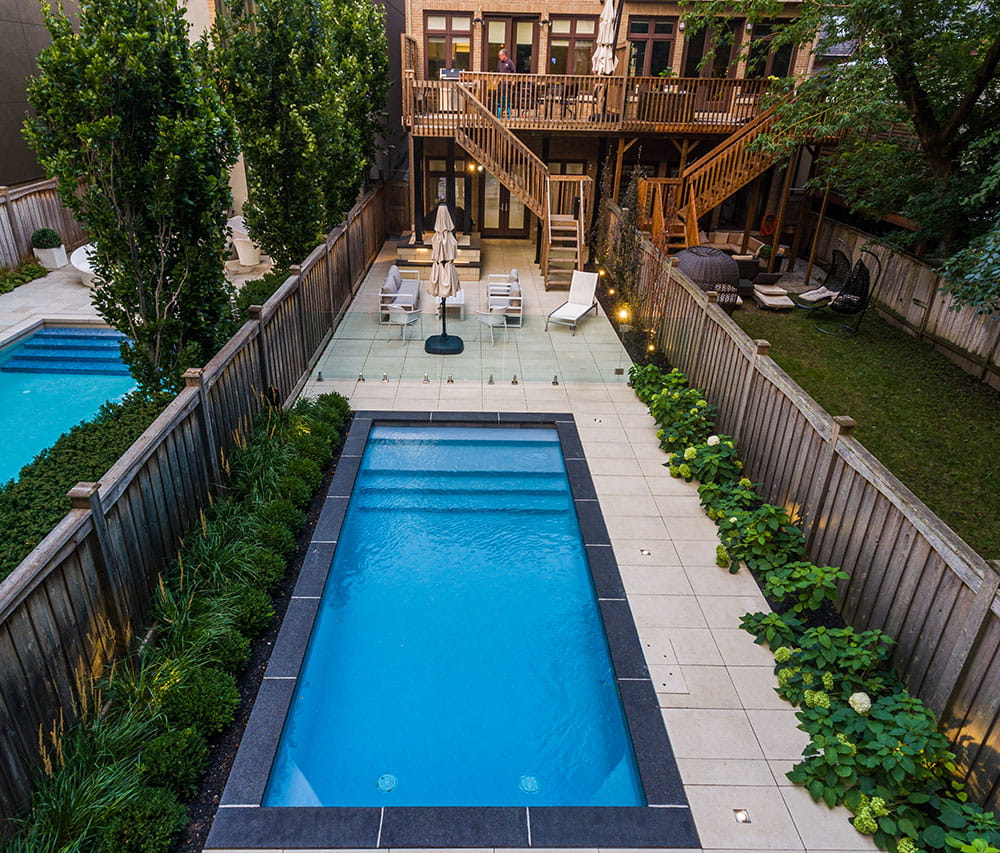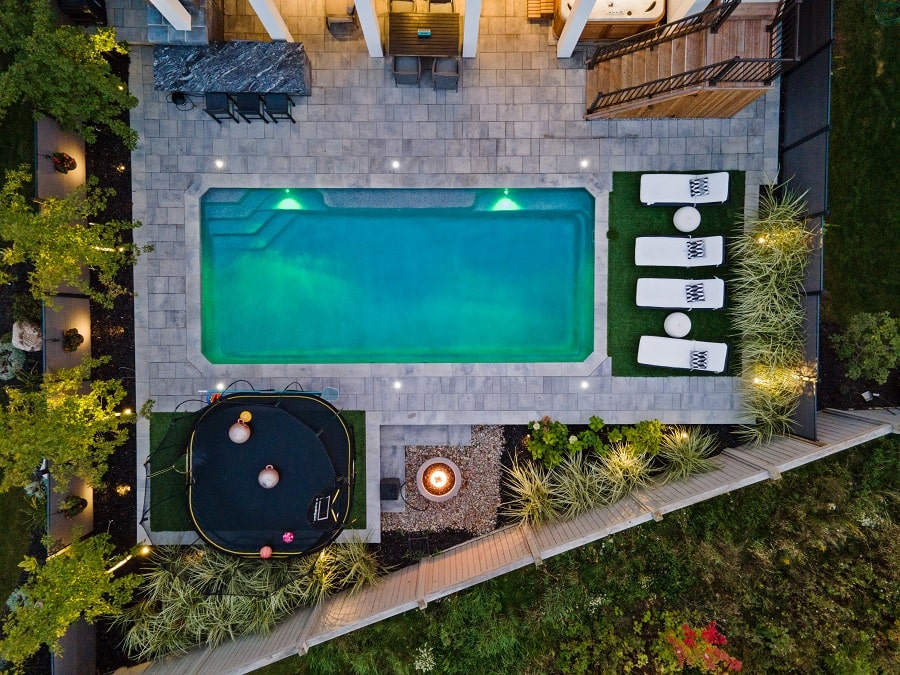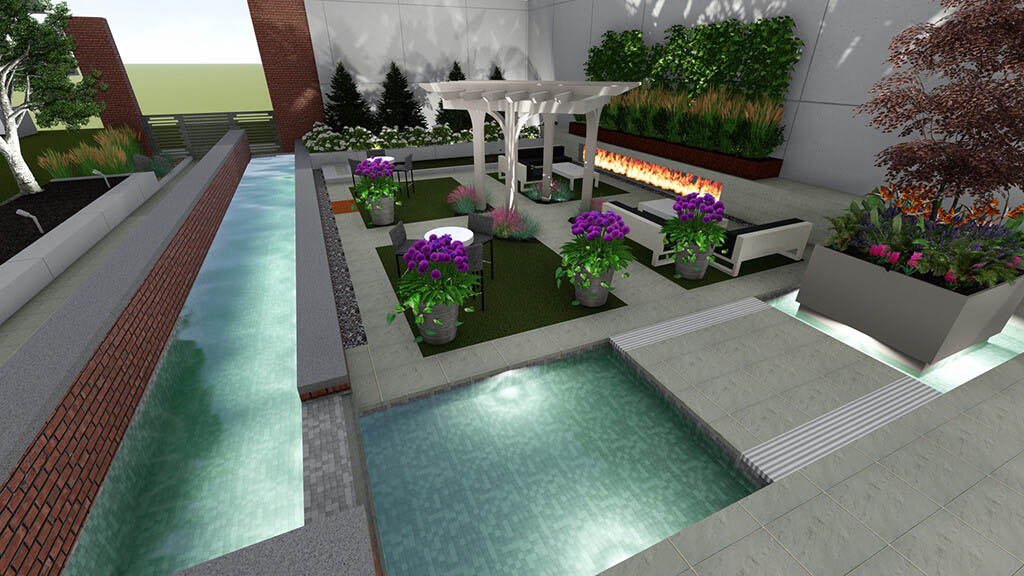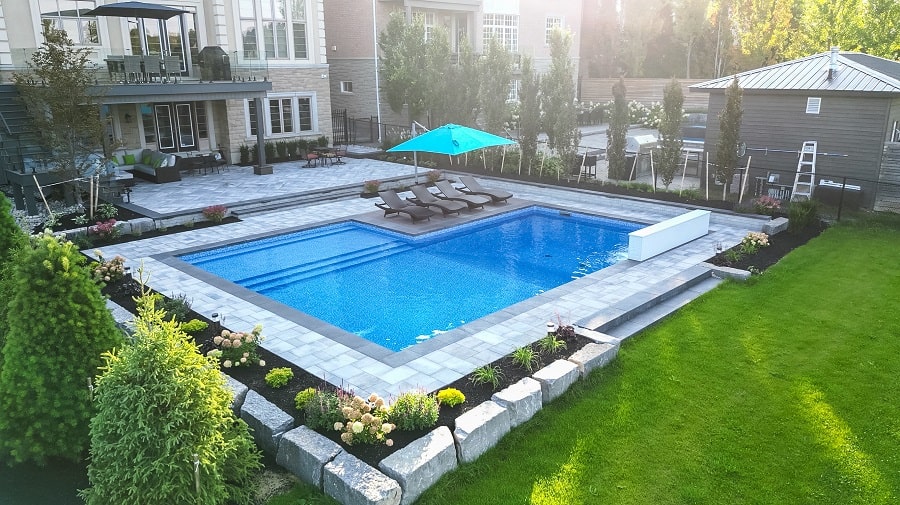
Investing in a backyard oasis is an exciting journey for any homeowner in the Greater Toronto Area. You spend hours looking at tile samples and dreaming about summer afternoons. But one of the most critical decisions happens long before the water goes in. Choosing the right heating system during the initial pool building phase dictates how often you will actually use your new investment.
Toronto weather is notoriously unpredictable. A warm afternoon in early June can quickly turn into a chilly evening. Without a reliable heating source, your swimming season might only last a few short weeks. The right heater transforms frigid water into a comfortable, relaxing retreat from May all the way through October.
This guide breaks down everything you need to know about heating your water. We will explore the different equipment options and explain why early planning is so important. By the end of this post, you will know exactly what to discuss with your pool company in Toronto to ensure your backyard is perfectly heated and ready for years of enjoyment.
Why Planning Your Pool Heater Before Pool Building Saves Time and Money
Many homeowners assume they can just add a heater later if the water feels too cold. This is a very costly mistake. Deciding on your pool heating method before the excavation begins is absolutely crucial for a smooth project.
When you plan, your pool building team can run the necessary underground utilities during the main excavation phase. Gas heaters require a dedicated gas line trenched from your home’s meter to the equipment pad. Electric heat pumps require heavy-duty electrical conduits. If you wait until the patio is finished to make a decision, you will have to tear up your brand-new landscaping to install these lines.
Early planning also ensures your equipment pad is the right size. Heaters take up physical space. Your contractor needs to design a concrete pad large enough to hold the pump, the filter, and the heating unit safely. Factoring this into your initial swimming pool design keeps your yard looking neat and prevents expensive rework down the road. It is always cheaper and faster to install the infrastructure while the ground is already open.
Comparing the Top Pool Heating Options
The local climate demands robust equipment. You need a system that can handle cool spring mornings and crisp autumn nights. Here is a breakdown of the three main heating technologies available for your backyard.
1. Natural Gas and Propane Pool Heaters for Fast Results
Gas heaters are the most popular choice for homeowners in the GTA. They use natural gas or liquid propane to create a flame inside a combustion chamber. The pool water passes through copper tubes above this flame and returns to the pool nice and warm.
The biggest advantage of a gas heater is speed. These units heat water very quickly regardless of the outside air temperature. If you decide on a Friday morning that you want to host a pool party on Saturday, a gas heater can raise the water temperature by several degrees in just a few hours. This makes them perfect for people who use their pools on weekends or those who want a quick warm-up for an evening swim.
However, gas heaters are the most expensive option to operate. Burning natural gas directly impacts your monthly utility bills. You also need to factor in the cost of running a specialized gas line to the equipment pad during the swimming pool building process.
2. Electric Air-Source Heat Pumps for Energy Efficiency
Heat pumps work differently from gas heaters. They do not generate their own heat. Instead, they use electricity to capture warmth from the outside air. A fan pulls the ambient air over an evaporator coil. The liquid refrigerant inside the coil absorbs the heat and turns into a gas. A compressor then increases the heat of that gas and transfers it to your pool water.
The main benefit of an electric heat pump is incredible energy efficiency. Because they transfer heat rather than creating it, they cost significantly less to run than gas models. This translates to serious savings on your utility statements all summer long. This makes them ideal for homeowners who want to keep their pool at a constant, comfortable temperature every single day of the summer.
The downside is that heat pumps rely on the outside air temperature. They work brilliantly when the air is above 10 degrees Celsius. If the temperature drops below that point, they struggle to extract enough heat. They also warm the water much more slowly than gas heaters. You cannot just turn them on and expect a warm pool a few hours later.
3. Solar Pool Heating Systems for Eco-Friendly Warmth
Solar heaters are the most environmentally friendly option on the market. These systems use your existing pool pump to push water up to large black panels mounted on your roof or a nearby structure. The sun heats the water inside the panels, and the warm water flows back down into the pool.
The biggest perk of solar heating is the operating cost. Once you pay for the initial installation, the heat is completely free. You only pay for the electricity to run your standard pool pump. Plus, these setups boast an impressive lifespan and rarely require repairs.
The obvious drawback for Toronto homeowners is our weather. Solar heaters only work when the sun is shining. If you have a week of cloudy, rainy weather in early June, your pool will be cold. They also require a significant amount of roof space. For these reasons, many swimming pool builders in Toronto recommend using solar heating in combination with a small gas heater as a backup.
Key Factors to Weigh for Your Backyard Setup
Every property is unique. What works perfectly for your neighbour might not be the best choice for your family. You need to evaluate several specific factors before making your final decision.
1. Pool Size and Total Water Volume
The size of your pool dictates the size of the heater you need. Professionals calculate the exact power you need by looking at a metric called British Thermal Units (BTUs). A large, deep pool holds thousands of gallons of water and requires a massive heater with a very high BTU rating. If you buy an undersized heater to save money, it will run constantly and wear out prematurely while still failing to keep the water warm. Your contractor will calculate your total water volume to recommend the exact size unit you need.
2. Your Desired Swimming Season Length
Think about your lifestyle and how you plan to use the space. Do you only want to swim while the kids are out of school in July and August? If so, an electric heat pump might be perfectly fine. Do you want to open the pool in early May and keep swimming until Thanksgiving? If you want a vastly extended season, a powerful gas heater is usually the better choice because it operates independently of the chilly autumn air.
3. Available Space for Pool Equipment
Urban lots in the GTA can be quite narrow. You need to look closely at your swimming pool design to see where the equipment pad will be. Gas heaters have strict clearance requirements. They must be placed a specific distance away from windows, doors, and property lines due to carbon monoxide venting rules. Heat pumps are large and need plenty of open airflow around them to work efficiently. You must ensure your yard has the physical space to legally and safely accommodate your chosen heater.
4. Long-Term Energy Costs and Local Utility Rates
You have to look past the price tag on the box. It is vital to compare the initial purchase price against your projected monthly utility bills. Electricity rates and natural gas prices fluctuate in Ontario. While a heat pump costs more to buy upfront, the monthly savings often pay off the difference within a few years. Discuss these operating costs with your contractor to understand the true financial commitment over the next decade.
Upfront Costs Versus Long-Term Value of Pool Heaters
Budgeting is a major part of any backyard renovation. When you look at pool construction costs and installation in Toronto, the heating system represents a significant portion of the equipment budget.
Gas heaters generally have the lowest upfront purchase price. However, the installation can be expensive if your home requires a very long gas line trench. They also have the highest monthly running costs. Electric heat pumps are quite expensive to purchase and install. You might even need an electrician to upgrade your home’s electrical panel to handle the dedicated breaker. Yet, their incredible efficiency means your monthly bills will be pleasantly low. Solar systems require a large upfront investment for the panels and plumbing, but the free heat provides an amazing return on investment over time.
A reliable heating system adds tangible value to your property. If you ever decide to sell your home, prospective buyers will view a well-heated, extended-season pool as a premium luxury feature.
How the Toronto Climate Impacts Your Pool Heating Choice
You cannot ignore the reality of Southern Ontario weather when planning a landscape project. We experience intense freeze and thaw cycles that put severe stress on outdoor equipment.
During the spring and fall, we often see warm sunny days followed by freezing nights. This is where your heating choice really matters. A gas heater can easily fight off that overnight temperature drop. If you use a heat pump, you should absolutely pair it with a heavy-duty solar blanket. Covering the pool at night traps the heat you generated during the day and stops it from evaporating into the cold night air.
The climate also dictates when you must shut your system down. You cannot leave water inside your heater during the winter. The water will freeze, expand, and destroy the internal plumbing of the unit.
Essential Maintenance to Protect Your Heating Investment
A heater is a complex piece of machinery that requires regular care. Protecting this investment ensures you get a decade or more of reliable warm water.
Water chemistry is the most important factor in heater maintenance. If your pool water is too acidic, it will literally eat away at the copper heat exchanger inside your gas unit or heat pump. You must test your water weekly and balance the pH levels precisely. Poor water chemistry is the number one cause of premature heater failure, and it usually voids the manufacturer’s warranty.
You also need an annual professional inspection. A certified technician should check your gas heater for proper venting, clean out any debris or spider webs from the burner, and ensure there are no gas leaks. For heat pumps, the fan blades and coils need to be kept free of leaves and dirt to maintain proper airflow. Finally, following a strict swimming pool winterizing guide is mandatory. Your contractor will use an air compressor to blow every drop of water out of the heating lines before the first hard freeze hits the city.
Frequently Asked Questions
1. How long does a gas pool heater last in Ontario?
A well-maintained gas heater typically lasts between seven and twelve years in our climate. The lifespan depends heavily on how well you balance your water chemistry and how thoroughly you winterize the unit each fall. Neglecting your pH levels can ruin a brand-new heater in just two seasons.
2. Can I run a pool heat pump during the winter?
No. Heat pumps extract heat from the outside air. Once the ambient air temperature drops below 10 degrees Celsius, there is simply not enough heat in the air for the unit to capture. Running a heat pump in freezing weather will cause the condensation on the coils to turn into a solid block of ice. This will severely damage the equipment.
3. Are solar pool covers necessary with a heater?
Yes, they are highly recommended. A heater warms the water, but a solar cover keeps that heat from escaping. Up to 75 percent of heat loss occurs through surface evaporation. Using a thick thermal blanket at night dramatically reduces the amount of fuel or electricity your heater needs to use the next day. It is the smartest way to lower your monthly operating costs.
4. When should I choose a heater during pool building?
Always finalize your heating choice early in the pool building phase. Your pool company in Toronto needs this data to install the correct underground gas lines or electrical wires before laying your patio.
5. Do swimming pool builders in Toronto install the heaters
Yes. Expert swimming pool builders in Toronto manage the entire setup. They work directly with certified gas fitters and electricians to ensure your heater is installed safely and follows all municipal codes.
Consult a Trusted Pool Company in Toronto
Selecting the right heating equipment is a massive decision that impacts your budget, your property, and your overall enjoyment of your backyard. Navigating these technical choices is much easier when you rely on professional guidance.
Working with experienced professionals ensures you get the perfect setup tailored specifically for your home and lifestyle. Our expert swimming pool builders in Toronto at LandCon have years of experience designing and installing premium outdoor spaces across the city. We understand the local climate, the municipal zoning rules, and the exact equipment needed to create a flawless luxury experience.
If you are ready to start planning your dream backyard, reach out to us today. Let us help you navigate the entire pool building process from the first design sketch to the first warm swim of the season.
Connect with us at 416.504.5263 or email us at info@landcon.ca to schedule a complimentary consultation.