In an age where urban spaces are constantly growing, it’s no wonder that city dwellers are longing for a deeper connection to nature. As the concrete jungle expands, so does the desire to reclaim some greenery within the confines of our homes. Biophilic design, a concept that integrates natural elements into built environments, is quickly becoming the solution. Whether you’re looking to transform your small backyard, rooftop, or balcony, biophilic design offers a way to harmonize nature with the built environment.
Landscape architects play a key role in helping urban homeowners bring nature back into their lives through thoughtful and sustainable design. In this guide, we’ll explore what biophilic design means for urban yards, how it’s tailored to the unique needs of urban environments, and how you can use it to create a personal sanctuary right in your own backyard.
What Sets Biophilic Design Apart in Urban Yards?
Urbanization’s Impact on Nature
With the growing number of skyscrapers, apartments, and businesses, many urban areas suffer from a lack of green space. These spaces are often replaced by concrete roads, asphalt, and high-rise buildings, leaving little room for nature to thrive. This urban sprawl has significant implications for our mental and physical health, as humans are naturally inclined to seek connection with the outdoors.
Biophilic design offers a solution by blending nature with urban life, especially in smaller, confined spaces. Unlike traditional landscaping, which focuses solely on beautifying outdoor areas, biophilic design prioritizes our emotional and physiological needs, encouraging interaction with nature.
In urban yards, biophilic design doesn’t just make outdoor spaces look appealing; it revitalizes them, ensuring that each design choice, from the plants you select to the materials used, nurtures both your well-being and the environment.
Why It’s Different from Traditional Landscaping
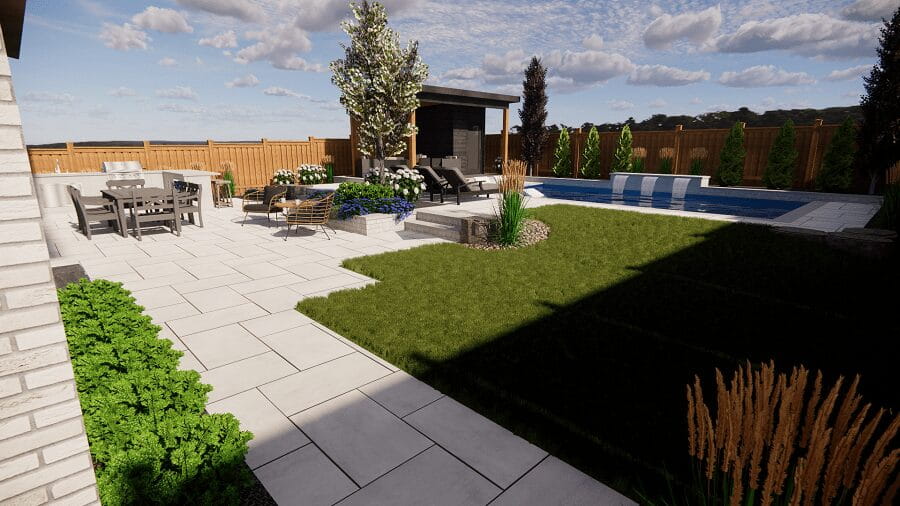
Biophilic design is more than just a trend. It’s a comprehensive approach that incorporates natural systems, materials, and elements into built environments. In urban yards, this means incorporating plants, water features, natural lighting, and sustainable materials to create spaces that feel connected to nature, even in the heart of a bustling city. The goal is to foster an environment that not only looks beautiful but also enhances your mental health, reduces stress, and creates a serene, harmonious atmosphere.
Key Biophilic Elements for Small Urban Yards
Urban yards come in all shapes and sizes, and making the most of limited space is essential when incorporating biophilic elements. Here are some practical ways to bring nature into your small urban yard with the help of a landscape architect:
Vertical Gardens and Green Walls
One of the most effective ways to integrate greenery in a small space is through vertical gardening. By utilizing wall space, you can create lush, green surfaces that bring life and colour to even the most confined areas. Green walls are not only visually stunning, but they also provide benefits like improved air quality and reduced noise pollution.
For a landscape design in Toronto, it’s important to choose plants that can thrive in the city’s climate, such as ferns, ivy, and climbing roses. Vertical gardens are ideal for city dwellers looking to maximize their space without sacrificing beauty.
Planters and Raised Beds
Raised garden beds are an excellent solution for small yards where the ground space is limited. They make gardening easier by offering better drainage and reducing the need to bend over. Plus, they provide a perfect opportunity to grow a mix of flowers, vegetables, and herbs, further enhancing your connection to nature. Raised beds also allow for creative planting, helping you design a garden that suits your aesthetic preferences. In Toronto, it’s important to select cold-hardy plants for the colder months to ensure year-round beauty.
Green Roofs and Terraces
When ground space is limited, rooftops become an excellent place to incorporate nature, thanks to the expertise of a landscape architect. A green roof not only improves the aesthetic appeal of your home but also reduces energy costs by insulating your space. Imagine lounging on your rooftop terrace, surrounded by nature, with plants growing in containers and hanging baskets. This is a great way to escape the concrete jungle without leaving home. Succulents, grasses, and herbs are ideal for Toronto’s urban roof gardens because they require minimal water and can withstand colder weather.
Integrating Nature Through Water Features
The Role of Water in Biophilic Design
Water features, such as fountains, small ponds, and streams, are a fundamental part of biophilic design. Water has a unique ability to calm the mind, reduce stress, and create a peaceful atmosphere. The soothing sound of water trickling or splashing enhances the sensory experience of your outdoor space, allowing you to escape the noise and chaos of city life.
DIY Water Features for Urban Yards
You don’t need a large backyard to enjoy the benefits of water in your urban space. Small-scale water features, like tabletop fountains, wall-mounted water features, or even miniature ponds, can be easily incorporated into a small yard or balcony. These features require minimal space but can significantly enhance the ambiance of your urban sanctuary.
Installation Tips and Maintenance
When installing a water feature, it’s essential to choose the right size for your space and ensure it complements the overall design. Be sure to use durable materials like stone, ceramic, or concrete that can withstand outdoor elements. For maintenance, it’s essential to clean the water feature regularly and check for any blockages to ensure the water flows smoothly.
Using Natural Materials to Enhance the Urban Yard
Natural Materials vs. Synthetic Alternatives
In biophilic design, natural materials like wood, stone, and gravel play a key role in creating an environment that feels connected to nature. A landscape architect can help incorporate these materials effectively into your design. These materials mimic the textures and patterns found in natural landscapes, helping to bring the outdoors into the urban setting.
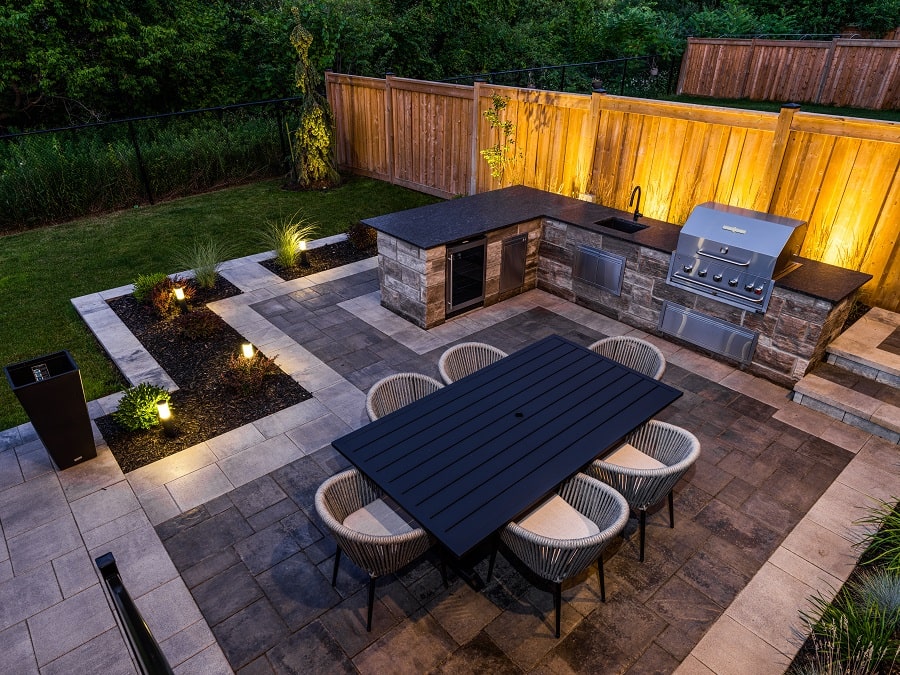
For instance, wooden decking, flagstone paths, and cobblestone patios are great ways to introduce natural elements into your urban yard. These materials not only add aesthetic appeal but also enhance the functionality of your space, creating areas for seating, walking, or relaxing.
Earthy, Organic Aesthetics
Natural materials contribute to the overall aesthetic of a biophilic design. They create an organic feel that is soothing and grounded. Using wooden furniture, stone sculptures, or gravel pathways encourages interaction with nature through tactile experiences. You can even incorporate materials like bamboo, recycled wood, and bricks to create a sustainable, eco-friendly outdoor space.
Sustainable Material Choices
When designing your urban yard, be mindful of the materials you choose. Opt for locally sourced stone, recycled wood, and other sustainable materials that have minimal environmental impact. This ensures that your biophilic design is not only beautiful but also eco-friendly.
Maximizing Natural Light and Creating Shaded Retreats
Natural Light in the Urban Yard
In Toronto, where winters can be long and harsh, making the most of natural light is essential. A landscape architect can help you strategically place seating areas, reflective surfaces, and open spaces to capture sunlight, creating a warm, inviting atmosphere in your yard. A well-designed biophilic space will ensure that your outdoor area feels bright and airy during the day, even if you live in a crowded urban environment.
Creating Shaded Spaces
Shade is just as important as sunlight in biophilic design. Pergolas, trellises, and shade cloths offer relief from the sun while creating cozy, cool spots for relaxation. You can also use trees or climbing plants to naturally provide shade without blocking the beautiful view.
Plant Choices for Toronto’s Urban Environment
Choosing Native Plants for Local Biodiversity
In a city like Toronto, it’s essential to select plants that thrive in the local climate. Native plants are ideal because they’re adapted to the local environment, require less water, and provide food and shelter for wildlife. Some great native plant choices for urban yards in Toronto include black-eyed Susan, purple coneflower, and milkweed. These plants not only support local ecosystems but also add vibrant colour and texture to your outdoor space.
Seasonal Planting for Year-Round Biophilic Benefits
A biophilic design should offer beauty in every season. A landscape architect can help ensure your urban yard remains vibrant year-round. In Toronto, this means selecting plants that provide year-round interest. For example, evergreen shrubs like juniper and yew provide structure and greenery throughout the winter. At the same time, summer perennials like daylilies and hostas offer a burst of colour during the warmer months.
Overcoming the Challenges of Biophilic Design in Urban Spaces
Space Limitations
In an urban environment, space is precious. But even in the smallest yards or balconies, biophilic design can be achieved with the proper planning. Vertical gardening, multi-functional furniture, and strategic plant placement can help you make the most of every square inch. Using mirrors or reflective surfaces can also create the illusion of a larger space.
Urban Pollution
Pollution is an unfortunate reality in most urban areas, but plants can help. Air-purifying plants like spider plants, peace lilies, and Boston ferns can thrive in an urban yard, helping to improve air quality. A landscape architect can guide you in selecting plants that are not only visually appealing but also resilient in polluted environments.
Weather Considerations for Toronto
Toronto’s climate presents unique challenges for biophilic design, especially in the winter. However, by choosing cold-hardy plants, using weather-resistant materials, and designing for seasonal changes, your biophilic yard can remain vibrant year-round.
How a Landscape Architect Brings Biophilic Design to Life in Urban Yards
A landscape architect can help transform your vision of a nature-filled urban oasis into reality. They will assess your space, taking into consideration factors like light, shade, wind, and even noise, to create a design that feels connected to the outdoors. Through expert planning, they’ll guide you in choosing the right materials, plants, and features that suit your style and needs, all while ensuring sustainability and functionality.
Concluding Thoughts
Incorporating biophilic design into your urban yard is a powerful way to reconnect with nature, reduce stress, and create a sanctuary in the heart of the city. Whether you’re designing a small backyard, rooftop garden, or balcony oasis, biophilic principles offer practical solutions for creating functional, beautiful, and sustainable outdoor spaces. By working with a landscape architect, you can ensure that your vision is brought to life in a way that’s tailored to your unique space and needs.
Frequently Asked Questions
1. What is biophilic design in urban yards?
Biophilic design in urban yards is the practice of incorporating natural elements such as plants, water features, and natural materials into outdoor spaces to enhance connection with nature. It aims to reduce the stress and environmental impact of urban living by creating serene, green environments, even in small, urban settings like rooftops, balconies, and small backyards.
2. How can biophilic design improve mental health in urban spaces?
Biophilic design promotes well-being by integrating nature into urban environments, helping to reduce stress, improve mood, and boost cognitive function. Elements like plants, natural light, and water features create a calming atmosphere that fosters relaxation, improving physical and mental health, especially in city dwellers.
3. What are the best plants for biophilic design in Toronto?
The best plants for biophilic design in Toronto include native species like black-eyed Susan, purple coneflower, milkweed, and hostas. These plants are well-suited to Toronto’s climate, thrive in urban environments, and contribute to local biodiversity, making them perfect choices for an eco-friendly urban garden.
4. Can biophilic design work in small urban yards?
Yes, biophilic design is highly adaptable and works well in small urban yards. Using vertical gardens, raised beds, compact water features, and native plants, you can create a lush, nature-inspired space even in limited areas. A landscape architect can help maximize the use of small spaces while incorporating biophilic principles.
5. How does a landscape architect implement biophilic design in an urban setting?
A landscape architect implements biophilic design by assessing factors like sunlight, shade, and space layout to choose the right plants, materials, and features. They incorporate nature-inspired elements like green walls, water features, and sustainable materials, creating harmonious outdoor spaces that connect with the environment and meet the homeowner’s needs.
6. What are the benefits of using natural materials in biophilic design?
Using natural materials such as wood, stone, and gravel in biophilic design creates a tactile connection to nature, promoting a calming atmosphere. These materials enhance the aesthetic appeal of your yard while supporting sustainability. They also improve durability and functionality, ensuring your outdoor space is both beautiful and eco-friendly.
Transform Your Urban Yard with a Professional Landscape Architect
A skilled landscape architect can help you bring your vision to life with thoughtful, sustainable design tailored to your urban yard. Whether you’re looking to incorporate biophilic elements like vertical gardens, water features, or natural materials, our expert landscape designers in Toronto have the experience to craft a space that enhances both your home’s beauty and your well-being.
At LandCon, we specialize in landscape design in Toronto that blends nature with modern urban living. Let us guide you through every step of the process, from conceptualization to completion, ensuring a seamless and stress-free experience.
Contact us at 416.504.5263 or email us at info@landcon.ca to schedule your consultation and start transforming your outdoor space into a peaceful, eco-friendly retreat. Your dream urban garden is just one click away.